
Using Conflict to Fuel Growth
By Dr. D Ivan Young, MCC, NBC-HWC
At first glance, conflict feels like a mess – disruptive, smelly, and full of waste. But like compost, when processed with care, it becomes fertile ground for growth. What once seemed like decay transforms into nourishment for something new.
Conflict is not inherently destructive. In fact, it is often the friction needed to spark growth, deepen awareness, and strengthen collaboration. At its core, conflict signals that something important is at stake – values, boundaries, identity, or unmet needs. When leaders and teams view conflict as a mirror instead of a battlefield, it transforms into a tool for emotional and organizational development. Instead of conflict using you and your team to implode try using conflict to fuel growth.
Most people shy away from tension because they associate it with harm. However, research and experience show that teams who embrace healthy conflict foster trust, innovation, and deeper connection. When guided well, conflict reveals what isn’t working and provides a pathway toward what can.
This article explores how to turn conflict into fuel for transformation, based on evidence-based methodologies and insights from my coaching practice and blog, DrDIvanYoung.com. You’ll learn how to decode emotional triggers, resolve misunderstandings, and use structured frameworks to turn disagreement into development.
Conflict, when approached with intention, is not a threat, it is the forge that tempers both character and collaboration.
Conflict Is a Signal, Not a Stop Sign
Conflict rarely erupts from nowhere. It emerges when deeper values, assumptions, or needs clash. Rather than dismiss conflict as dysfunction, it’s helpful to see it as a “signal flare” something important is being illuminated. The key is learning how to interpret that signal instead of avoiding it.
The Harvard Negotiation Project (Fisher & Ury, 2011) identifies that most disputes stem not from what people disagree on, but from why they believe others act as they do. It’s not just the content of disagreement, but the perceived intent behind it that escalates conflict. This gap in understanding is where emotional reactivity begins.
Teams that handle conflict constructively do one thing differently: they pause to reflect rather than react. They realize that tension can highlight misalignment or unmet expectations that, if addressed, can move everyone forward.
When individuals learn to ask, “What is this conflict trying to teach me or us?” they begin to listen through a different lens. That shift in perspective becomes the first step in growth. Instead of treating conflict as a dead end, we begin to see it as a dynamic crossroad, full of choice, power, and potential.
Emotional Awareness: Clearing the Fog
Unmanaged conflict feels overwhelming, like driving through fog with no visibility. You hear horns blaring, see headlights flashing, but have no clarity on where you’re going or how close danger really is. Emotional awareness acts like windshield wipers, it clears the view so you can respond instead of react.
Emotional intelligence (EQ) is the capacity to recognize, understand, and manage our emotions and those of others. Using validated assessments like the EQ-i 2.0, we gain insight into how self-perception, self-regulation, empathy, and impulse control shape our conflict responses.
Studies have shown that high EQ correlates with greater resilience, improved teamwork, and reduced workplace tension (Bar-On, 2006). Self-aware individuals understand their triggers and don’t project unprocessed emotions onto others. Instead, they communicate with clarity and compassion.
In my executive coaching sessions, I help teams see that emotions are not the enemy, depression is. When you give emotions language, you neutralize their control. Emotional awareness shifts the conversation from “Who’s to blame?” to “What’s going on beneath the surface?”
By turning inward, you empower outward harmony. You become a guide rather than a grenade.
Conflict Builds Trust and Strengthens Teams
While most teams aim for harmony, they often confuse it with avoidance. True harmony isn’t the absence of conflict, it’s the ability to move through it with honesty and respect. When teams avoid tough conversations, trust erodes silently. But when they engage in structured, transparent conflict, trust deepens.
Patrick Lencioni, in The Five Dysfunctions of a Team, places fear of conflict at the core of team breakdown (Lencioni, 2002). Teams that avoid conflict typically lack vulnerability. And without vulnerability, there’s no trust. Without trust, there’s no accountability, and ultimately, no progress.
When leaders model how to navigate conflict constructively, they create a culture of safety and performance. Team members feel valued not in spite of their differences but because of them. Productive conflict clarifies roles, strengthens relationships, and aligns values.
Conflict, when stewarded properly, becomes a trust accelerator. It says, “I care enough to tell you the truth.” That level of respect turns tension into teamwork. You don’t have to agree on everything, but you must be willing to listen, challenge, and grow together.
Conflict as a Tuning Fork
I like to view conflict as a tuning fork. If you will, imagine a symphony orchestra preparing for a performance. Each instrument must be tuned to the same note. Initially, the sound is dissonant, chaotic even. But once the tuning fork strikes its note, the group adjusts until harmony emerges. Conflict works the same way.
It introduces tension, exposes dissonance, and forces realignment. Without it, teams may look synchronized on the surface while playing out of key beneath it. When conflict is addressed, it acts as a tuning fork, it creates a shared frequency. The friction helps the team align, not divide.
This analogy is especially useful when using assessments like the MBTI Form Q or the TKI. These tools expose each team member’s natural conflict response and communication style. With this awareness, people adjust and learn how to approach others more effectively.
In short, conflict is how teams tune to one another. It refines clarity. It creates emotional resonance. And it reveals which voices need to be heard to restore unity. The result is a team that doesn’t just function – they flow.
Science-Backed Methods That Work
To transform conflict from disruptive to constructive, teams must rely on more than instincts. Evidence-based tools and frameworks can create consistent, repeatable outcomes. Here are three that I use with clients in leadership development and team coaching:
1. Nonviolent Communication (NVC)
Developed by Marshall Rosenberg, NVC helps people express observations, feelings, needs, and requests without blame. This method fosters connection and empathy while reducing defensiveness.
2. Thomas-Kilmann Conflict Mode Instrument (TKI)
This assessment identifies five conflict styles: Competing, Collaborating, Avoiding, Accommodating, and Compromising. Awareness of your default response enables conscious, constructive choices in tense situations.
3. EQ-i 2.0
A globally validated tool, the EQ-i 2.0 helps leaders and teams pinpoint emotional intelligence strengths and blind spots. It supports self-awareness, emotional regulation, and empathy—all critical for healthy conflict resolution.
In my practice, I combine these assessments. When used together, these tools create a powerful system that builds resilience, improves communication, and helps teams handle tension without fragmentation. The data they provide becomes a roadmap for how each individual and group can thrive under pressure.
A Framework for Productive Conflict
Transforming conflict starts with intention and is guided by structure. Here’s a framework I use with executive teams and high-performing individuals to move from chaos to cohesion:
Set Clear Norms Early
Define what healthy conflict looks like. Normalize disagreement as a tool for clarity, not combat.Pause Before Reacting
When tension arises, take a breath. Ask: “What is this really about?” Self-regulation is key.Use Shared Language
Leverage assessments like MBTI and EQ-i to create neutral vocabulary. This reduces blame and increases insight.Be Curious, Not Critical
Replace “Why did you do that?” with “What were you feeling or needing in that moment?”Repair and Reconnect
Conflict isn’t resolved by ignoring pain. Apologize where needed. Commit to learning. Rebuild trust intentionally.
This framework doesn’t eliminate conflict—it makes it useful. It invites reflection, responsibility, and resolution.
Conflict Is the Mirror
As I share in my blog post “Navigating the Darkness: What to Do When Feeling Hopeless” on DrDIvanYoung.com, external tensions often reflect internal imbalances. When conflict shows up in our relationships, teams, or leadership, it’s rarely just about the other person. It’s an invitation to examine what within us is being triggered or revealed.
Conflict reflects our deepest needs, fears, and unhealed experiences. It shows us where we lack boundaries, where we seek validation, or where we have unresolved emotional residue. This isn’t about shame, it’s about illumination.
By asking, “What is this conflict revealing about me?” we reclaim our power. We shift from blaming others to transforming ourselves. That kind of insight changes not only how we relate—but who we are becoming.
Conflict doesn’t break us. It breaks us open.
Final Thoughts: Conflict Is the Catalyst
In the end, conflict is not the enemy, it is the catalyst. When embraced with emotional intelligence and structured frameworks, it becomes the raw material for growth, connection, and meaningful change.
We can’t build strong teams, resilient leaders, or healthy relationships by avoiding hard conversations. We build them by walking through the fire together and using conflict to build growth. With empathy. With courage. And with the clarity that conflict, when handled well, is not a disruption. It is the doorway to transformation.
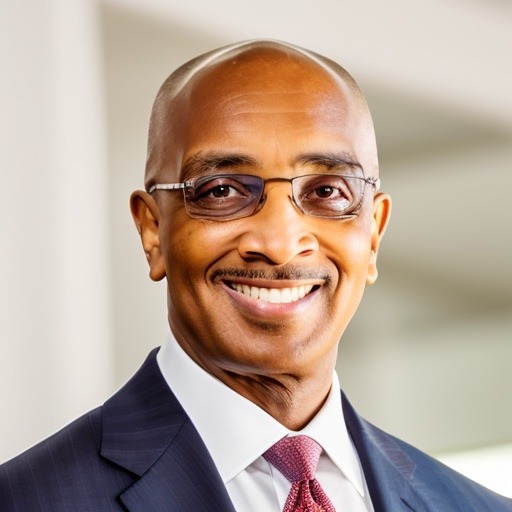
Dr. D Ivan Young is a Master Certified Coach (MCC) with the International Coaching Federation (ICF) and a National Board Certified Health and Wellness Coach (NBC-HWC). His work integrates behavioral neuroscience, applied psychology, and evidence-based coaching practices. With over two decades of experience, Dr. Young specializes in executive development, emotional intelligence, and relational dynamics, working with individuals and organizations across diverse sectors.
He holds certifications in MBTI, Conflict Mode (TKI), Positive Intelligence, and Neuro-Linguistic Programming (NLP). He is also an American College of Lifestyle Medicine Certified Coach and a Professional Fellow at the Institute of Coaching at McLean, a Harvard Medical School affiliate. In addition to his coaching practice, Dr. Young contributes to leadership development programs, professional credentialing initiatives, and academic communities through speaking, writing, and curriculum design.