Blog

How Suppressing Emotions Harms the Brain

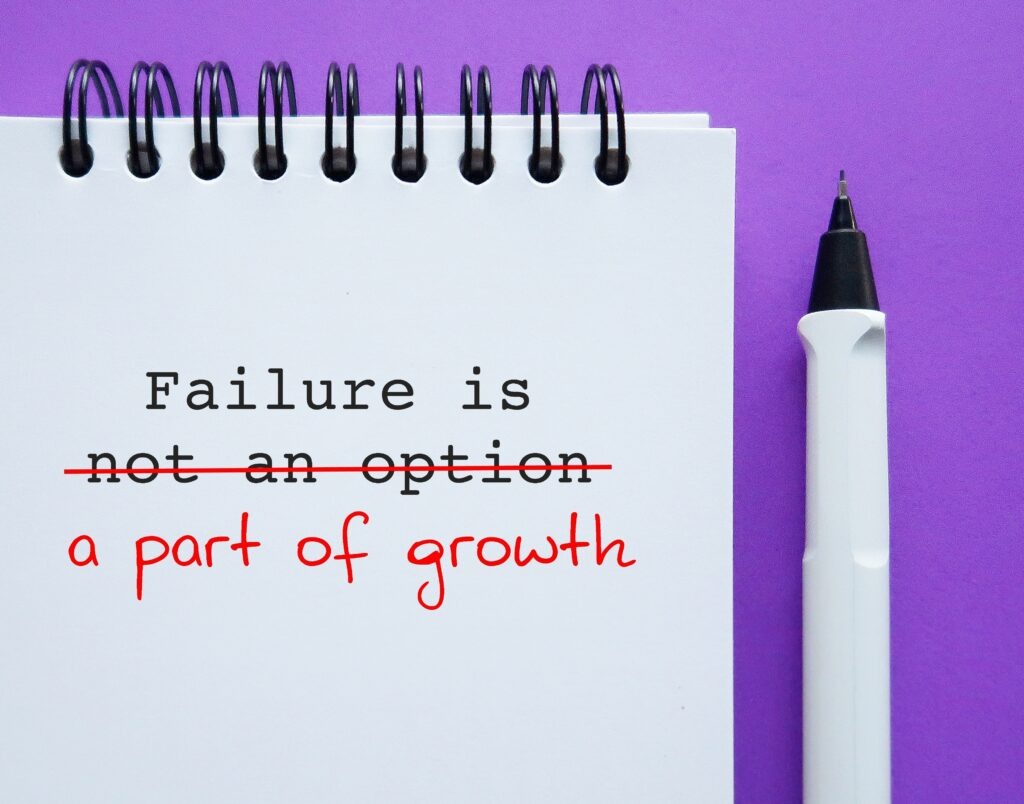
pen and pad with Failure is Part of growth written on it. How Suppressing Emotions Harms the Brain by Dr. D Ivan Young, MCC, NBC-HWC

How Suppressing Emotions Harms the Brain

Coaching Beyond Toxic Positivity

By Dr. D Ivan Young, MCC, NBC-HWC

In today’s wellness-driven world, relentless optimism often seems the gold standard. Yet, emerging neuroscience cautions us that consistently suppressing negative emotions under the guise of positivity, commonly known as toxic positivity, can have profound and lasting effects on our brains and overall well-being. Inasmuch, we must learn how suppressing emotions harms the brain.

Fortunately, gaining a deeper understanding of emotional processing through neuroscience can guide us toward authentic positivity, honoring the complex richness of human emotions. Let’s explore together how emotional suppression harms the brain and how blending neuroscience, coaching strategies, and spiritual wisdom can lead to healthier emotional practices.

The Neuroscience of Emotional Suppression

Emotional suppression, while seemingly protective, actually triggers significant stress responses in the brain. Renowned psychiatrist Dr. Daniel Siegel emphasizes that suppressing emotions activates the amygdala—the brain’s primary emotional alarm center—prompting increased production of stress hormones such as cortisol. Chronic suppression gradually weakens our brain’s resilience, amplifying feelings of anxiety, stress, and emotional instability.

Visualize continuously pressing down a powerful spring: the longer and harder you compress it, the more tension builds. Eventually, it recoils unpredictably with greater force. Similarly, when emotions are continuously suppressed, they build pressure until released in uncontrolled, intense emotional outbursts.

Toxic Positivity: How it Harms the Brain

Think of an idyllic garden receiving continuous, uninterrupted sunshine. Initially, this seems perfect—until plants begin wilting, soil hardens, and the garden deteriorates. The garden needs rain and shade as much as sunshine; constant positivity, without emotional balance, similarly deprives us of essential emotional nourishment.

Expressions such as “Just stay positive!” or “Don’t dwell on negativity!” seem supportive but inadvertently invalidate one’s genuine emotional experiences. This can cause an emotional “drought.” Research by psychologists Dr. Susan David and Dr. Barbara Fredrickson highlights emotional agility. Emotional agility is the capacity to healthily manage both positive and negative emotions. This type of emotional regulation is critical for optimal mental health and resilience.

Coaching Strategies from a Neuroscience Perspective

As a neuroscience-informed coach, my practice emphasizes guiding clients to recognize, validate, and process their emotions authentically. Evidence-based strategies such as mindfulness meditation and cognitive reframing have demonstrated significant benefits for emotional agility.

Mindfulness meditation, supported by Harvard Medical School research, actively engages the prefrontal cortex, enhancing emotional regulation and reducing amygdala reactivity. Through regular practice, clients become better equipped to manage emotional challenges calmly and effectively.

Cognitive reframing allows individuals to reinterpret emotional situations constructively without dismissing their genuine feelings. By reframing, I encourage my clients learn to perceive challenges as opportunities for growth, resilience, and learning, effectively reducing amygdala-driven stress responses.  In my blog, How to Navigate Loneliness, Burnout, and Depression, I offered 8 steps toward combating emotional suppression. 

Emotional Suppression – Blending Spiritual Wisdom and Neuroscience

Spiritual traditions have historically recognized the value of embracing both positive and negative life experiences. Taoism, for example, teaches the critical balance of Yin and Yang, illustrating how authentic wellness thrives through emotional balance and authenticity.

Integrating spiritual wisdom with coaching encourages emotional honesty, compassion, and acceptance. Spiritual teachings consistently emphasize the transformative power of genuinely facing life’s challenges rather than avoiding them.

Consider the lotus flower metaphor: this stunning flower blossoms beautifully from muddy waters, illustrating that true beauty and growth often arise from facing and transcending challenging circumstances. Authentic positivity emerges similarly, not by denying emotions but by courageously engaging with them.

Practical Coaching Techniques to Combat Toxic Positivity and Emotional Suppression

To foster emotional resilience and authenticity, coaches can utilize these neuroscience-backed strategies to combat Toxic Positivity:

1. Emotional Validation
Encourage clients to openly acknowledge and express their true emotions. Validating these emotions immediately lowers stress, allowing the prefrontal cortex to facilitate effective problem-solving.

2. Mindfulness-Based Practices
Regular mindfulness enhances emotional regulation skills, allowing clients to experience emotions without judgment. Numerous neuroscience studies support mindfulness as effective in reducing stress and promoting emotional clarity.

3. Deep Gratitude Exercises
Guide clients towards reflective, authentic gratitude practices rather than superficial positivity. Neuroscientific studies show authentic gratitude engages the brain’s reward pathways, naturally cultivating positivity without forced suppression.

Enhanced Understanding – Toxic Positivity with Neuroscience

Think of emotions as visitors knocking at your door. Ignoring them makes their knocking louder and more insistent. Welcoming these emotions allows them to deliver their message and leave peacefully.

Coaching emotional suppression is akin to preparing sailors not only for calm seas but also storms. Equipping individuals to navigate both calm and rough waters ensures they’re fully prepared for life’s complexities.

Emotions are like musical notes. Avoiding minor keys creates monotony; embracing the full emotional spectrum enriches life’s symphony, creating harmony and depth.

Becoming an Emotionally Intelligent Coach

Emotionally intelligent coaching requires self-awareness about personal emotional tendencies. Coaches must acknowledge biases towards positivity and actively practice embracing the entire emotional landscape. Neuroscience demonstrates emotionally intelligent coaches build deeper client trust and enable enduring transformation.

Final Thoughts: Embracing Emotional Authenticity

As coaches dedicated to authentic transformation, understanding the neuroscience behind emotional suppression empowers us to guide clients effectively. By embracing emotional authenticity and spiritual insights, we foster genuine positivity rooted in emotional intelligence and resilience.

Let’s courageously navigate the complexities of human emotions together, championing a balanced and deeply authentic approach to emotional wellness.

Picture of Dr. D Ivan Young, MCC, NBC-HWC | ICF Registered Mentor Coach

Dr. D Ivan Young, MCC, NBC-HWC, is a highly sought, globally renowned expert in behavioral neuroscience and Master Certified Coach (ICF), and National Board Certified Health and Wellness Coach specializing in evidence-based coaching methods for high-achieving individuals. To learn more, visit drdivanyoung.com.


turning Problems into a Million dollar Brand

Dr. D Ivan Young, MCC, in Blue Suite with Arms folded. How I Turned My Problems Into a Million-Dollar Coaching Brand

turning Problems into a Million dollar Brand

How I Turn My Struggles into a Million-Dollar Coaching Brand

Here’s how I turned my problems into a million dollar coaching brand. 

There’s something sacred about standing in the ruins of your life and deciding to build something that didn’t exist before. My coaching brand wasn’t born in a boardroom. It was born in the fire—through the things I thought would break me. Today, I serve Fortune 100 executives, high-net-worth individuals, and leaders around the world. But back then? I was a man with more questions than answers and more broken pieces than blueprints.

This is the story of how I turned pain into profit—not by pretending I had it all together, but by building a business that grew from the cracks in my life. Because sometimes, the most fertile soil is found at rock bottom.

Battle Scars Build Brands

People Don’t Connect to Perfection—They Connect to The Truth 

People don’t bond with perfection, they connect to authenticity. They connect with your pain, especially when it’s been converted into wisdom. People appreciate it when someone has the courage to say, “I’ve been there too.”

Before I had a website… before I ever launched a coaching program… all I really had was my story. Real, raw, lived experience.

My journey includes losing everything and having to rebuild from scratch; going through a painful divorce. I even wrestled with chronic depression and stared down a stage 4 cancer. And yes—I too have been betrayed by people I trusted with my whole heart. Yet, I turned my problems into a million dollar coaching brand.

The Blue Print – From Break Down to Break Through

Still, not one of those experiences disqualified me. Not one of them broke me beyond repair. Instead, each one handed me a piece of the blueprint I use now to help others rebuild.

In many ways, every challenge has shaped me like a storm shapes a canyon—it carved out more depth, more presence, and more compassion. The pain didn’t just hurt. It hollowed out space in me for greater clarity, empathy, and resilience.

That’s why I don’t hide my scars. I bring them with me. They’re not liabilities—they’re credentials. When I show up for a client, I don’t speak from a pedestal. I speak from the trenches I had to crawl through.

Because let’s be real: people can spot performative positivity from a mile away. But what resonates—what really lands—is when someone shows up with lived truth, with battle-tested wisdom, with a heart that’s been cracked open and healed.

That’s what my clients remember long after the session ends. It’s not just the tools or insights. It’s the feeling of being seen, heard, and held by someone who truly understands.

Breakdowns Become My Coaching Curriculum

Instead of bypassing the pain, I leaned into it. I built my million-dollar coaching brand by turning every personal struggle into teachable frameworks.

Just like a skilled chef turns scraps into broth, I turned my toughest moments into recipes for healing.

Each failed relationship became a masterclass in emotional intelligence. Every season of scarcity taught me how to coach executives through uncertainty by using faith and appreciative inquiry. I didn’t just read about trauma-informed coaching—I lived it, healed through it, and then coached others from it.

As Brené Brown says, You can’t numb the dark without numbing the light.” So I learned to feel it all—and transform my darkness into light for others. I became the evidence and lived experiences was the research. 

Breakthrough Came When I Shifted from Coach to Catalyst

At some point, I stopped viewing myself as a service provider and began embodying what I now call a cognitive catalyst. That shift—one of the most pivotal breakthroughs in my coaching career—is an essential building block in building a coaching brand worth seven figures.

Instead of positioning myself to just “help” people, I became the person who moved people—emotionally, spiritually, and strategically. I didn’t chase big platforms. I mastered small life changing moments with my clients. Then, the word spread.

Like a tuning fork in a noisy room, I struck a frequency that resonated with people who are truly ready for change—and that resonance became my reputation.

Truth-Telling Was the Breakthrough My Brand Needed

I used to think that marketing required a perfect funnel or a viral strategy. But the more I spoke the raw, unfiltered truth, the more my audience grew.

My million-dollar brand isn’t built on gimmicks—it’s built on humility, alignment, authenticity, and emotional clarity.

“Your story—when told with conviction—is like a lighthouse in someone else’s storm. You don’t need to shout; you just need to allow all you to shine.” Dr. D Ivan Young, MCC

Every time I spoke from the scar instead of the wound, people leaned in—because they saw themselves in my story. When I combined that lived truth with proven coaching strategies and research-backed methods, it created real transformation.

For me, people have always come before profit. My clients don’t just get a coach—they get someone who’s fully invested. I show up when it counts—not just during business hours. Compassion isn’t a talking point for me. It’s how I lead. I know firsthand what it feels like to reach out and be met with silence. I never take it for granted that they could have chosen anyone in the world, but they chose me. That trust is something I do not take for granted.

I Let Faith and Science Walk Hand-in-Hand

I’ve never believed that purpose and practice have to live in separate worlds. I don’t separate my spiritual foundation from my professional work—but I also don’t trade evidence for instinct. In my view, faith and neuroscience are not in conflict—they’re complementary forces.

That’s why I designed a coaching methodology that honors both. It integrates the sacred with the scientific, merging timeless wisdom with proven, evidence-based tools. I draw from spiritual principles and psychological frameworks alike—grounding my approach in research, guided by intention, and rooted in values like empathy, compassion, and resilience.

For example, a 2012 study in The Journal of Positive Psychology found that spiritually integrated coaching interventions can significantly improve emotional and psychological well-being (Koenig, 2012).

When clients work with me, they feel truly seen—not just because I understand behavior, but because I view them through a dual lens: human potential and human spirit. That’s the space where real transformation happens.

Reputation Is the Key to the Revenue Stream

You can buy attention, but you can’t buy a good name. That happens—one relationship, one result at a time.

My brand didn’t grow because I chased trends or flash. It grew because people experienced something real and told others. TEDx didn’t invite me because I’m loud—they invited me because I’m honest. My clients—many of them leaders, public figures, and decision-makers—refer me not because I promise quick wins, but because I help create lasting change.

As Marshall Goldsmith said, ‘What got you here won’t get you there.’ I became the coach leaders turn to when it’s time to get to ‘there’—wherever that may be.

Honoring the Process – Building A Million Dollar Coaching Practice

Even now, I’m still becoming. Still healing. Still stretching.

But the beautiful part? I no longer resist the process. I honor it. I trust it. Because the same cracks that once broke me now let my light through.

If you’re in your breakdown right now, know this: there’s a blueprint in the rubble. Your most powerful work may still be ahead.

Don’t underestimate what can be built from broken places. Don’t assume your pain disqualifies you—it may be the very credential your audience needs.

Your Breakdown is the Blueprint

You don’t need more followers. You need more alignment. You don’t need a polished pitch—you need an honest story paired with real results.

You are the brand. And your breakthrough? It starts the moment you stop hiding your breakdown.

If I can build a million-dollar coaching brand from my issues, flaws, and failures—you can too.

Picture of Dr. D Ivan Young, MCC, NBC-HWC | ICF Registered Mentor Coach

Dr. D. Ivan Young is an ICF Master Certified Coach (MCC), National Board Certified Health and Wellness Coach (NBC-HWC), and Certified Positive Intelligence Coach. He is a Master MBTI Practitioner and holds advanced credentials in behavioral neuroscience and evidence and research based coaching.

When Love and Legacy Are on the Line

When Love and Legacy Are on the Line: Why High-Net-Worth Couples Need More Than Therapy. Couple sitting on couch cuddling.

When Love and Legacy Are on the Line

Why High-Net-Worth Couples Need More Than Therapy

By Dr. D. Ivan Young, MCC, NBC-HWC, CPQC, MBTI Master Practitioner

Let’s face it when love and legacy are on the line, the consequences are significant. You know, behind every impressive estate plan or major financial portfolio, there’s always a deeply personal story. Usually, it’s one packed with shared ambitions, sacrifices, and dreams. But here’s the thing: when love starts to fade, no amount of money can truly shield you from the emotional wreckage of a relationship breaking down.  That’s why High-Net-Worth Couples Need More Than Therapy, they need a High Net Worth Coach.  Consequently, for couples with substantial wealth, the fallout from a turmoil in the relationship, or even worse a separation, the ripples go far beyond any courtroom. It almost inevitably touches everything – from boardrooms, brands and family trusts to the children’s emotional well-being and the very reputation each party spent years building.

High Net Worth Blind Spots: Relationship Erosion in Plain Sight

High-functioning, high-achieving couples often operate like finely tuned machines individually. Schedules are structured, obligations are managed, and emotions: well let’s just say they get tucked away for later. That’s when personal efficiency can become a collective blindfold. Like cracks in a luxury yacht, the damage may begin below the surface—silent and unseen—until the day it threatens the whole vessel.

Unlike couples with fewer responsibilities and financial obligations or brand considerations, high-net-worth couples may ignore the early warning signs. Things like increasing distance logistically and emotionally, short tempers resulting from external stressors, competing priorities, and the slow fading of intimacy are typically the reason. The individuals involved are often too embedded in high-stakes environments to stop and notice what’s happening right beneath their busy schedules. Slowly, their lives move at the speed of high finance—and when that pace becomes the norm, emotional erosion hides in plain sight.

The True Cost of Relationship Strain: Prevent High Net Worth Divorce

Let’s talk about divorce costs for affluent couples. These numbers honestly take your breath away. For instance, just the direct legal fees, as reported by the Institute for Divorce Financial Analysts, can easily run from $100,000 to a jaw-dropping $300,000. And believe me, that’s just the start. Then, forensic accountants add major costs. They dig through complex global assets. Moreover, this meticulous work is truly painstaking. Next, business valuation disputes add more strain. This strain is emotional and financial. In fact, experts battle for months over business value. A lifetime’s shared dream is intensely scrutinized. Furthermore, public figures face even more challenges. Brand damage or PR crises are very real. Naturally, these need urgent, skilled management. Of course, this also adds to mounting bills. So, that initial figure quickly skyrockets. It climbs much, much higher. As a result, this creates a whirlwind of financial stress.

The Cost of Not having A High NET Worth Coach

But these financial figures are not the worst part. When I deal with these issues in my practice, they don’t touch the deepest pain. The worst part is the deep, lasting scars on the heart for all parties concerned. For example, consider a little girl. Sadly, her childhood innocence is overshadowed when she hears her parents argue constantly. They argue about money property and betraying each others trusts. These are the two people she loves most. 

Or, think about a teenage son’s pain. He feels lost, adrift, and alone. His home becomes an emotional desert. He battles emptiness and anxiety by inappropriate relationships and self-medicating. These scenarios are utterly heartbreaking. The conflict around them profoundly shapes them. It’s in these moments, we see the worst impact. 

The emotional and familial impact is devastating. Then, it becomes crystal clear: When Love and Legacy Are on the Line: that’s Why High-Net-Worth Couples Need More Than Therapy. You see, these situations are very complex. Personal stakes are incredibly high. Therefore, this calls for more than legal settlements. It demands a holistic, specialized approach.

Wealth Is NOT a Shield From Heart Break

The truth is hard to face. Wealth is not a shield from heartbreak. In reality, it does not stop relationship pain. If anything, wealth magnifies consequences. Subsequently, disagreements become more complex. Also, decisions become more fraught with tension. Repercussions then feel larger and far-reaching. Indeed, a manageable split can transform. It becomes a multi-layered, prolonged crisis. This happens with large assets involved. Likewise, shared businesses and reputations add to this. Ultimately, fallout extends beyond the couple. In fact, it affects families and close friendships. It can touch wider communities too.

Divorce as an Emotional Earthquake: The Aftershocks Are Real

Divorce is not a clean cut. It’s a series of jagged separations—financially, psychologically, spiritually. And for couples who co-own businesses, sit on boards together, or share philanthropic responsibilities, the fracture reverberates across every area of life. It’s not unlike an earthquake that keeps producing aftershocks long after the initial rupture.

Metaphorically speaking, divorce is like trying to perform heart surgery with no anesthesia while being broadcast on live television. The world watches. Employees whisper. Children withdraw. Your friends choose sides.

When you occupy a high-profile space, your personal life is never just personal. And that’s why prevention, rather than repair, is the better investment.

Love and Legacy Are on the Line: Innocent and Exposed

Children in wealthy households are more prone to exploitation—not less. In fact, the combination of access, affluence, and emotional detachment creates a perfect storm. A 2018 study by the American Psychologica Association found that adolescents in high-income households report elevated rates of anxiety, depression, and substance abuse. Rich teens often have high anxiety. Also, they are prone to depression and substance abuse because of easy access to resources that their lesser affluent peers don’t have. Moreover, they carry heavy burdens. Specifically, performance and perfection are constant pressures. Consequently, this worsens family dysfunction’s psychological toll.

Now, imagine your child is like a rare violin. They are beautiful, valuable, and sensitive. However, they are very sensitive to climate. You see, an unstable home is a shifting climate. Here, the emotional temperature shifts wildly. For example, one moment brings silence. The next, of course, brings volatility. Even if children do not say it, they feel it. Yes, they truly feel this instability deeply. And then, this instability shows in their lives. For example, you see it in their grades. Sometimes, it appears in their friend groups. Ultimately, their emotional regulation also suffers.

Primed for Expoitation – Legacy is on the line

So, what is the absolute worst part here? It’s a chilling thought, quite frankly. Disturbingly, outsiders can sense this emotional void. This often happens in unstable, wealthy homes. These outsiders, for instance, include manipulative peers. Opportunistic adults are another clear threat. Likewise, predatory influences also watch closely. Then, tragically, they exploit that deep void. Yes, indeed, they take advantage of the child.

Therefore, please remember, your true legacy isn’t just money. It is certainly not just your net worth. Instead, it’s the foundation you give children. This is an emotional, psychological foundation. This crucial understanding truly highlights that When Love and Legacy Are on the Line: Why High-Net-Worth Couples Need More Than Therapy. That is precisely why coaching is so vital. Clearly, it is not just for the couple now. In reality, it is for future generations. In essence, it is for all who follow you.

Why Coaching Works When Therapy Doesn’t

There’s a common misconception that therapy is the only solution for marital problems. While therapy can be powerful, many high-net-worth couples find it insufficient. Why? Because therapy often focuses on exploring the past, not navigating the high-stakes complexities of the present or planning for the future.

Coaching, especially from a seasoned expert, offers a different kind of transformation. It’s like having a relationship strategist—a partner who not only helps you understand what’s wrong but gives you the tools to rebuild, reframe, and realign.

As a Master Certified Coach (ICF-MCC), National Board-Certified Health and Wellness Coach (NBC-HWC), and Master MBTI Practitioner, I’ve worked with elite clients across the globe—entrepreneurs, physicians, lawyers, public figures—who don’t need sympathy. They need solutions.

Let’s explore the Three Tiers of High-Stakes Relationship Coaching. Each tier offers unique, vital support. They help navigate complex relationship dynamics.

1. Emotional Calibration

First, let’s explore Tier One: Emotional Calibration. Many couples, you see, often live on emotional autopilot. This means subconscious reactions typically guide them daily. Consequently, their deeper needs may go unheard. Indeed, old patterns often dictate their interactions. Coaching, however, carefully brings hidden behaviors to light. It also uncovers default emotional responses. Thus, you both gain crucial self-awareness. For instance, think of your relationship like an aircraft. Sometimes, its navigation system goes slightly off. This is, in essence, your emotional autopilot. It seems to work but misses the best path. Coaching, then, acts like a skilled systems check. It helps you recalibrate internal flight instruments. You then clearly see your emotional patterns. Ultimately, this allows true, intentional navigation. You choose your course with fresh understanding.

2. Legacy Mapping

This stage invites couples to look beyond staying together and instead focus on consciously shaping what they stand for individually and collectively as a family. It’s not about documents or estate plans—though those are important. It’s about designing a shared vision. 

Imagine legacy mapping like crafting a detailed family crest or weaving an heirloom quilt. Each symbol, each color, each thread reflects your core values, dreams, and intentions. From the kind of parents you want to be, to your philanthropic pursuits, to how you wish your names to be remembered—this is intentional creation. It’s the process of aligning on who you are together, and what kind of footprint you want to leave in the world.

3. Strategic Exit Planning – Why High-Net-Worth Couples Need More Than a Therapist

Finally, Tier Three offers Strategic Exit Planning. Sometimes, despite all efforts, relationships do end. If this becomes your reality, support is key. High Net Worth couples coaching helps protect what truly matters. Preserving both parties dignity is a critical. Maintaining financial equilibrium is also a priority. Furthermore, protecting brand equity and integrity is crucial. Elite coaching reframes the entire process. With an experienced well qualified coach divorce transforms from a devastating battle to a well managed, respectful transition.

Yes, this path is still undeniably painful. However, the end does not have to be destructive. Just as an old building cannot be saved in its current form. Taking a wrecking ball approach only leaves rubble and bitterness. But well thought out, deliberate and intentional strategic exit planning can make the worst divorce a manageable process. Only a well qualified coach can provide a careful, respectful deconstruction while helping salvage the core of what the two of you created. Ultimately, the aim is a future of peace and understanding.

The Hidden Threat:  “We’re Too Busy to Deal With This Now”

One of the most common excuses I hear from high-profile couples is: “We’ll deal with it later.” But ‘later’ rarely comes in time. In many cases, it comes in the form of served papers, leaked news, or irreparable damage.

Avoiding relationship issues is like ignoring a slow leak in a private jet. It may feel manageable until you’re too high, too far, and too invested to land safely. You didn’t get where you are by ignoring red flags in business—why do it in your relationship?

Brand Protection Isn’t Just for Corporations—It’s for Couples

Your public image is a part of your portfolio. One messy, public divorce can unravel years of reputation management. And in today’s world, brand equity isn’t just financial—it’s relational. Who you’re married to, how you divorce, and how you co-parent impacts how others perceive your credibility, leadership, and integrity.

When handled poorly, divorce can turn shareholders nervous, clients hesitant, and friends distant. That’s why coaching is not just relationship management—it’s risk mitigation.

Before You Sign Papers

If you and your partner feel more like business partners or roommates than soulmates, you’re not alone—and it doesn’t mean your relationship is beyond repair. But it does signal a pivotal moment: the need for intentional, strategic intervention.

After all, you’ve made thoughtful investments in nearly every other part of your life. You’ve hired top-tier consultants to protect your brand, brought in wealth managers to secure your financial future, and enlisted experts to shape your public image. So why leave your most valuable asset—your relationship—unguarded?

Because here’s the truth: when love and legacy are both on the line, the cost of inaction is far greater than the price of guidance. At this level, coaching isn’t a luxury—it’s a lifeline. It’s the difference between unraveling and realigning, between surviving and creating something extraordinary that lasts.

Picture of Dr. D Ivan Young, MCC, NBC-HWC | ICF Registered Mentor Coach

Dr. D. Ivan Young, MCC, NBC-HWC, CPQC, is a Master Certified Coach, National Board-Certified Health and Wellness Coach, and Master MBTI Practitioner with over two decades of experience in behavioral neuroscience, emotional intelligence, and relationship dynamics. His globally recognized coaching practice specializes in guiding public figures and high-net-worth individuals and HNW couples through deeply complex personal and professional challenges. A three-time TEDx speaker, he has advised leaders across industries and cultures. Dr. Young is also a Distinguished Fellow at the Institute of Coaching, McLean—an affiliate of Harvard Medical School.

How to Rewire Your Brain for Success

The Neuroscience of Shadow of Man in front of Illuminated skull with glowing neurons. Manifestation: How to Rewire Your Brain for Success

How to Rewire Your Brain for Success

The Neuroscience of Manifestation

By Dr. D. Ivan Young, MCC, NBC-HWC, CPDC

Where Faith Meets Function

The neuroscience of manifestation is more than just a trending topic—indeed, it’s a powerful bridge connecting science and spirituality. While most people think of manifestation as purely metaphysical—relying solely on vision boards, affirmations, and optimism on repeat—in reality, the truth is more grounded: manifestation isn’t magic. Rather, it’s mental architecture. Understanding this structure, particularly how neuroplasticity works, reveals the practical steps for how to rewire your brain for success.

Essentially, this process involves using specific tools and techniques to actively reshape your thoughts, beliefs, and behaviors. Drawing on my background as a Master Certified Coach and behavioral neuroscience practitioner, I’ve guided everyone from high-performing executives to deeply spiritual seekers in harnessing this science behind their vision.

Ultimately, when you learn to work with your brain instead of against it, manifestation shifts from mere hopeful guessing to deliberate, conscious creation.

What is Neuroplasticity and Why Does It Matter?

Neuroplasticity, often called brain plasticity, is the brain’s extraordinary lifelong capacity to reorganize its intricate structure and function, adapting like living clay. This fundamental mechanism allows your brain to continuously form new neural connections. It is constantly modifying existing pathways in direct response to learning, experiences, recurring thoughts, and emotions. Far from being static, your brain is constantly sculpted by these inputs. Your daily habits and mental focus actively alters your physical brain structure. By understanding this dynamic process you possess innate potential to consciously rewire your brain throughout your entire life.

Picture your brain as a fertile garden where individual thoughts act like seeds. Furthermore, the neural pathways supporting a thought become stronger, like deepening roots. The more consistently you nurture them with focused attention, potent emotional responses (positive or negative), and sheer repetition strengthen cognitive potential. This reflects the principle ‘neurons that fire together, wire together.’ This reinforcement applies equally to persistent negative thoughts, which can create entrenched limiting patterns, and to intentionally cultivated positive affirmations. Your conscious focus acts as the gardener, determining which mental seeds flourish and which circuits dominate your inner landscape.

Similarly, consider how dedicated musicians strengthen specific neural circuits for dexterity and timing through relentless, conscious practice, making complex skills automatic. In the same way, you can intentionally cultivate and reinforce empowering belief systems. By consistently and emotionally engaging with your desired outcomes—vividly visualizing success and feeling the associated positive emotions—you physically solidify the neural pathways that represent and uphold those core beliefs. Consequently, belief moves beyond a simple feeling to become an active, embedded neural process, tangibly shaping your reality from the inside out. This focused cognitive and emotional work is the mechanism for rewiring beliefs and aligning your brain’s function with your highest aspirations.

Why Most People Stay Stuck – How to Rewire Your Brain for Success

Many people feel like they’re doing everything right—journaling, affirming, visualizing—yet nothing shifts. Sound familiar?

Here’s the neuroscience: your brain doesn’t manifest what you want. It manifests what it believes is safe. Most of us are wired for survival, not expansion. This means when you try to step into a bigger version of yourself, your brain throws up roadblocks to keep you in your comfort zone.

If you’ve endured trauma or prolonged stress, your nervous system tags growth as dangerous. That’s why success can feel terrifying or why you sabotage relationships or financial breakthroughs.

You’re not broken. Your brain is trying to protect you. But protection isn’t always aligned with purpose. To manifest with power, you must train your brain to view growth as safe, not threatening.

The Science of Vision: Activating the Default Mode Network (DMN)

Here’s where it gets exciting. Your brain has a built-in manifestation mechanism called the Default Mode Network (DMN). This network lights up when you’re daydreaming, envisioning the future, or reflecting on your personal story.

Visualization isn’t fantasy—it’s neural rehearsal. Studies show that mentally rehearsing a goal activates the same brain regions as physically doing it. That’s why elite athletes and performers use visualization before high-stakes events. The DMN helps your brain treat imagined experiences as reality.

When you vividly picture your goal—what you see, hear, smell, and feel—you prime your brain to recognize opportunities aligned with that vision. Think of it as giving your GPS a destination. Without it, you drift. With it, you navigate.

Analogy: Your brain is like a thermostat, not a thermometer. It doesn’t just read your environment, it adjusts it. When your internal setting is aligned with success, your external reality follows suit.

Value Tagging and Reticular Activating System (RAS): Your Brain’s Filter

Have you ever learned a new word and suddenly heard it everywhere? That’s your Reticular Activating System (RAS) at work—a filtering system in your brainstem that determines what gets your attention.

When you set an intention and reinforce it through visualization, emotion, and repetition, you “tag” that goal as relevant. Your RAS then scans your environment for information, people, and opportunities that align with that tag. If you’ve ever manifested a “coincidence,” it wasn’t luck—it was neuroscience.

This is also why repeating affirmations without belief doesn’t work. The emotional component is essential. Your brain needs to feel the value of your goal for it to tag it as real.

Metaphor: Your mind is like a radio. Your intentions set the frequency. If you want to hear music, you can’t stay tuned to static.

Anchoring with Emotion: Why Feeling is the Secret Ingredient

Emotion is the glue that seals your intentions into memory. Neuroscientist Dr. Joe Dispenza writes extensively about how elevated emotions like gratitude, love, and excitement activate the limbic brain and create long-lasting neural imprints.

When you combine a clear intention with an elevated emotion, you create a neurochemical signature that your body and brain begin to associate with success. This is what makes your goals tangible—not just mentally, but somatically.

From a coaching perspective, I often guide clients through “emotional anchoring”—connecting their goal to a visceral, embodied state. Because when your nervous system feels safe with success, you stop self-sabotaging and start receiving.

Analogy: Emotion is the fuel that makes your mental GPS work. Without it, the engine stalls—even if the destination is programmed.

How to Rewire Your Brain for Success: 5 Daily Manifestation Practices

If you’re wondering how to rewire your brain for success, these five evidence-based practices that I use in my coaching practice  that can help you turn intentional thought into consistent transformation. More than just habits, they serve as tools to restructure your neural pathways and reinforce the belief systems that support manifestation.

  1. Set Clear Intentions – Begin your day by choosing one specific goal that aligns with your highest values. Ask yourself why this goal matters emotionally and practically—what will change in your life when it’s achieved? This introspection helps anchor your intention in purpose rather than pressure. The more emotionally charged your reasoning, the more likely your brain is to prioritize that goal. This clarity becomes your brain’s internal compass, guiding decisions throughout the day.

  2. Visualize with Sensory Detail – Spend 5 to 10 minutes mentally rehearsing your success. Envision your desired outcome as vividly as possible: What are you wearing? Who’s with you? What does it smell, sound, or feel like? By engaging all five senses, you stimulate the Default Mode Network, helping your brain interpret the imagined experience as real. Over time, this sensory-rich rehearsal deepens your emotional connection and increases your confidence in the outcome.

  3. Anchor the Emotion – Visualization without feeling is just fantasy. To encode your goals into long-term memory, immerse yourself in the emotional states your success will bring. Practice feeling gratitude, pride, relief, or joy as if your manifestation has already occurred. These elevated emotions activate your brain’s limbic system, accelerating neuroplastic changes. The stronger the emotional imprint, the more deeply the experience embeds into your subconscious mind.

  4. Affirm with Authenticity – Choose affirmations that feel true to you in the present moment, even if they’re small steps forward. Instead of saying “I am a millionaire” when you don’t believe it, say “I am building financial security each day with clarity and confidence.” Affirmations must feel believable to the body to avoid subconscious rejection. As your belief grows, update your affirmations to reflect your evolving identity.

  5. Act with Alignment – Manifestation isn’t passive. Daily action communicates to your brain that your goal is not just wishful thinking—it’s a priority. Whether it’s sending an email, making a phone call, or meditating on clarity, take a step that aligns with your vision. These micro-actions create consistency, and consistency builds trust within your nervous system. When your thoughts, feelings, and actions are congruent, your brain begins to rewire for success more efficiently.

    By applying these techniques consistently, you reinforce new patterns and begin to deactivate the limiting beliefs that no longer serve you. This is the path to long-term transformation—and it’s exactly how to rewire your brain for success.

Where Science Meets Spirit: Integration in Real Life

In my blog post “Faith, Fear, and Financial Stress”, I explore how survival mode can hijack manifestation. Until you regulate your nervous system, your brain defaults to fear—not faith.

Similarly, “The Cost of Answered Prayers” unpacks what happens when your brain resists receiving what you’ve been praying for. This discomfort is normal—it’s the neurological stretch between where you are and where you’re going.

The neuroscience of manifestation invites you to bridge that gap intentionally, with grace and strategy. When your spirit is willing but your brain is skeptical, you have to teach it a new language—repetition, belief, and emotional truth.

Final Thoughts: You Are the Architect of Your Reality

The future you want already exists—your brain just hasn’t caught up yet. When you combine clear intentions with elevated emotion, repetition, and aligned action, you engage the full power of neuroplasticity.

You’re not manifesting blindly. You’re directing the most powerful tool you have: your mind.

And remember, manifestation isn’t about wishful thinking. It’s about building new neural highways to match the life you say you want. Start rewiring. Start now.

Dr. D Ivan Young, MCC, NBC-HWC in lab jacket.

About the Author: Dr. D. Ivan Young is an internationally respected expert in human behavior, neuroplasticity, and applied spirituality. He holds multiple advanced credentials, including the ICF Master Certified Coach (MCC) designation—representing the highest level of professional coaching certification worldwide—and the National Board Certified Health and Wellness Coach (NBC-HWC) credential, which reflects his deep commitment to science-backed, whole-person wellness strategies. He is also a Master MBTI Practitioner, applying personality theory and typology to deepen emotional intelligence and improve team and relationship dynamics.

With over 4.9 million views on his TEDx talks, Dr. Young is a globally trusted thought leader whose work bridges the gap between science and the soul.

The Cost of Your Prayers Being Answered

Man sitting with his hands pinching his brow on the phone. The Cost of Your Prayers Being Answered Blessings, Burdens, and the Fire That Refines

The Cost of Your Prayers Being Answered

Blessings, Burdens, and the Fire That Refines

by Dr. D Ivan Young, MCC, NBC-HWC

There’s an aspect of answered prayer that almost no one prepares you for—the breaking point that follows the breakthrough. You ask God, the Universe, the Divine for more: more peace, more purpose, more provision. But when “yes” finally comes, it often arrives wearing the robes of discomfort, disruption, and divine pressure. You prayed bold prayers, and doors opened—but along with those doors came weight you didn’t anticipate; this is the often unspoken Cost of Your Prayers Being Answered

Right now, I’m walking through that fire. And if you’re reading this, there’s a strong chance that you are too. What you hoped would feel like relief now feels like stretching. What looked like a blessing is starting to feel like a burden. But I’m here to remind you: you’re not cursed—you’re being carved.

The Answer Costs Something – Blessings, Burdens, and the Fire That Refines


The Refiner’s Fire: Why Growth Always Costs Something

Here’s a truth most people don’t realize until they’re in the thick of it: growth demands something from you. While we long for transformation, we often resist the very process that makes it possible. We pray for elevation—but we shy away from the heat that prepares us to sustain it.

Yet, Isaiah 48:10 (NIV) brings the process into sharp focus:

“See, I have refined you, though not as silver; I have tested you in the furnace of affliction.”

God doesn’t whisper about the cost—He makes it clear. Refinement is intentional. The fire doesn’t destroy you—it reveals you. Every affliction you walk through serves to remove what no longer belongs. It’s not destruction; it’s divine separation.

To better understand this, picture raw gold encased in rock. The gold can’t shine until it passes through intense heat that strips away the impurities. That’s the cost of answered prayers. The fire burns away the parts of you that can’t go where you’re headed. It demands your ego, your need for control, your outdated coping mechanisms—all so the version of you worthy of the blessing can rise.

This principle also lives in the Bhagavad Gita (2:47), where Lord Krishna teaches:

“You have a right to perform your prescribed duties, but you are not entitled to the fruits of your actions.”


Your Responsibility

In other words, your responsibility is to act in alignment with purpose—not to control the outcome. You’re called to show up, to do the work, to move with integrity. The results? Those belong to the Divine.

So even when you do everything “right,” and life still feels like it’s shaking you to your core, that doesn’t mean you’re lost. Quite the opposite. It means you’re in the middle of something sacred.

Think of your life like a home undergoing renovation. At first, things feel exciting. But quickly, demolition begins. The walls come down. Dust fills the air. The structure looks worse before it gets better. In those messy middle moments, doubt creeps in. But the blueprint remains intact—even when you can’t see it.

That’s what the cost of answered prayers often looks like: demolition disguised as delay, disorder masking divine progress.

So if everything around you feels like it’s falling apart, keep going. You’re not off track—you’re on sacred ground.
This is what divine preparation looks like.

When Your Blessing Feels Like a Breakdown

Let’s be honest—an answer to a prayer rarely arrives wrapped in ease. Instead of feeling like divine intervention, they often feel like divine disruption. You ask for expansion, and suddenly life stretches you in every direction. You call in abundance, and almost immediately your finances face unexpected strain. You step up to lead, and before long, unseen burdens land squarely on your shoulders.

The Quran reminds us:

“Perhaps you dislike something which is good for you, and like something which is bad for you. Allah knows, and you do not know.” (Surah Al-Baqarah 2:216)

This turbulence doesn’t mean you’re off track. It means God is rearranging your life to match the promise you prayed for. What feels like chaos may actually be confirmation. Often, the cost of answered prayers shows up as a divine reordering—removing, shifting, and stretching everything in preparation for the very thing you asked for.

In “When All the Doors Have Closed,” I shared how easy it is to misinterpret resistance, delays, and discomfort as signs that something’s wrong. Yet more often than not, those very obstacles are proof that something sacred is forming. They are labor pains—painful, yes, but necessary—marking the birth of the next version of you.

So if your world feels unsteady, don’t rush to fix it. You’re not losing your footing—you’re gaining new ground.

In the Quran, reminds us:

“Perhaps you dislike something which is good for you, and like something which is bad for you. Allah knows, and you do not know.” (Surah Al-Baqarah 2:216)

You’re not losing it. You’re being led through it. This chaos isn’t evidence of failure—it’s a sign that your life is rearranging itself around the promise you made with heaven.

We often interpret delay, resistance, or discomfort as divine silence. But in reality, these are the labor pains of answered prayer being born.

The Fog Between Revelation and Realization

Every answered prayer takes you through a sacred middle space. This is the unseen stretch between “I asked for it” and “I’m ready to carry it.” It’s where your old identity no longer fits, but your new self hasn’t fully emerged. You’re in motion, but not yet in manifestation. And while it may feel like confusion, what you’re really experiencing is a deep internal recalibration—one designed to align you with what you asked God to bring into your life.

This in-between space often carries weight. It’s part of the spiritual cost of answered prayers. Yes, your prayer has been heard—but now your life must stretch to accommodate its fulfillment. That stretch feels like instability, but in reality, it’s sacred preparation.

The I Ching names this season “Difficulty at the Beginning” and teaches:

“The beginning of everything is difficult. Disorder must be overcome bit by bit.”

So, if you feel overwhelmed or unsteady, take heart. The disorder around you isn’t working against your blessing—it’s clearing space for it. This moment is not failure—it’s fertilization. You’re being softened, strengthened, and shaped to hold more than you’ve ever held before.

I love this article, “What Is Spiritual Discernment? Its Signs and Power Explained”, I believe that. faith works best when paired with discernment. Right now, your discomfort isn’t a warning to retreat—it’s a divine invitation to dig deeper. Instead of running from the process, let your roots settle into it. This space is not just transition—it’s transformation.

So breathe. Be still. Trust the timing.
This is the cost. And this is how you rise.

Five Ways to Stay Resilient When the Blessing Gets Heavy

1. Reframe the Fire

If life feels like it’s burning you from the inside out, pause and reframe it. What if this fire isn’t meant to destroy you—but to forge you? Instead of consuming your purpose, the heat might be refining your character. Your perspective matters. How you interpret this season will either make you bitter or shape you into someone better equipped for your calling.

So rather than asking, “Why is this happening to me?”, begin asking, “What is this shaping within me?” That one shift changes everything. Difficult seasons act as sacred resistance training. Every trial stretches your emotional capacity and strengthens your spiritual core.

Just as lifting weights tears muscle fibers to rebuild them stronger, spiritual fire breaks down what no longer serves you—your ego, fear, and false sense of identity. It clears space for truth, power, and a deeper connection to your faith.

Consider the formation of a pearl. It doesn’t begin in beauty—it begins in irritation. A tiny grain of sand invades the oyster’s inner world, causing constant discomfort. And yet, over time, that same discomfort becomes the foundation for something exquisite. Likewise, this season may wound you, but it also holds the potential to produce something invaluable in you.

So hold on. Let the fire work. You’re not falling apart—you’re being formed.

2. Practice Daily Truth-Telling

When chaos swirls around you, one of the most powerful practices is speaking truth—your truth—out loud. Daily truth-telling acts like an anchor in a stormy sea. When the world feels uncertain, your words must become your compass.

Say aloud:

  • “I am being shaped, not shamed.”
  • “My pain has purpose.”
  • “This is temporary. But I am permanent.”

Write them down. Keep them visible. Declare them until they rewire your nervous system and reshape your belief system.

This isn’t about delusion—it’s about direction. You’re choosing to point your spirit toward faith rather than fear. Words create worlds, and the world you’re building starts with the truth you rehearse.

3. Honor the Messy Middle

The most disorienting place to stand is between what used to be and what’s trying to emerge. Yet this middle ground is exactly where your new identity takes root. Although the terrain feels murky and vulnerable, it holds the sacred space required for deep transformation.

You may experience confusion. You might sense disconnection. At times, you may question everything. Still, you haven’t lost your way—you’re simply in transit. This in-between season functions like a spiritual suspension bridge. Even though the fog may obscure your path, each step forward still counts. Every move becomes progress, even when it feels uncertain.

As I explained in “Faith, Fear, and Financial Stress: How to Quiet the Noise and Reclaim Your Power,”, you don’t find peace by rushing to fix everything. You find peace by allowing yourself to fully be in the moment. So honor this stretch of time. It may feel like delay, but in truth, it’s divine incubation. This isn’t wasted time—it’s preparation.

Remember: the butterfly undergoes its greatest transformation inside the cocoon, where everything familiar melts away. That’s exactly what’s happening to you. Your former life is dissolving so that your higher self can take shape. Something breathtaking is not just coming—it’s already forming within you.

4. Ask for Help – Cost of Answered Prayers

Even the most gifted leaders rely on support. Moses leaned on Aaron. Jesus walked with His disciples. Muhammad (PBUH) drew strength from Khadijah and Abu Bakr. Arjuna turned to Krishna. They didn’t carry the weight of their callings alone—and neither should you.

You don’t prove strength by isolating yourself. Instead, you demonstrate wisdom when you recognize the need for help and act on it. Whether you reach out to a coach, therapist, prayer partner, or a trusted friend, asking for support signals maturity—not weakness. It’s not surrender—it’s strategy.

Just as a tree thrives through connection with sunlight, water, and rich soil, you grow best when rooted in environments that nourish your emotional, spiritual, and mental well-being. You weren’t designed to carry your calling by yourself. Asking for help empowers you to bear the blessing without breaking beneath it.

So if the weight feels heavy, don’t hesitate—reach out. Support doesn’t slow your journey; it strengthens it.

5. Choose Grace Over Grind

We live in a world that praises hustle and glorifies productivity, yet it often forgets to honor humanity. While culture pushes you to do more, move faster, and prove your worth through output, you must remember this essential truth: you don’t have to grind your way into value. Your worth doesn’t depend on how much you produce—it flows from how fully you choose to honor your process.

So when you feel tired, give yourself permission to rest. Rest isn’t laziness—it’s a spiritual strategy. Tears don’t signal weakness—they reveal insight. Pausing doesn’t mean you’ve given up—it means you’re gathering strength for what’s next. In seasons of spiritual transformation, soul-care becomes essential.

Think of your spirit as a candle in the middle of a violent storm. The flame doesn’t burn harder to survive—it instinctively seeks shelter. Likewise, grace doesn’t ask you to fight harder; it invites you to soften. Let grace become the safe covering that shields the sacred part of you the world so often overlooks.

In this noisy, demanding world, grace over grind is not just self-care—it’s self-preservation. So breathe, step back when needed, and trust that your stillness holds just as much power as your striving.

You’re Not Being Punished. You’re Being Prepared.

You haven’t missed your moment—and you’re not falling behind. You’re evolving. This is spiritual transformation in motion—not stagnation.
As Romans 8:18 reminds us:

“I consider that our present sufferings are not worth comparing with the glory that will be revealed in us.”

That ache in your chest? It holds more than pain—it holds purpose.
The pressure you’re under isn’t punishment. It’s divine preparation, clearing space for something greater.
Even when progress feels invisible, know this: you’re being equipped to carry what you once only dreamed of.

Think of a seed beneath the soil. On the surface, nothing appears to change. But below, the seed breaks apart so it can grow roots. That breaking isn’t destruction—it’s expansion. And just like the seed, you may feel buried, but in truth, you’re being planted in purpose.

The cost of answered prayers rarely looks like what we imagined. Sometimes it’s silent. Sometimes it’s lonely. Often, it’s slow. But that cost is proof that the calling is real.

So take a breath. Keep showing up. Let grace meet you where grit runs out. Even when everything around you feels uncertain, your process is positioning you for the promise. You are not alone—and you’re nowhere near the end of your story.

Testimonial from Dr. D. Ivan Young

“I’ve lived this message. I’ve had doors open—only to be tested harder than ever before. At times, I felt abandoned by the very blessings I prayed for. But now I see it clearly: the fire didn’t destroy me—it defined me. Every delay became discipline. Every breakdown turned into strategy. If you’re in the middle of it, trust me—you’re not being punished. You’re being positioned.”
Dr. D. Ivan Young, MCC – Behavioral Neuroscience Expert | Master Certifed Coach | National Board Certifed Coach.  

Dr. D Ivan Young, MCC, NBC-HWC

About the Author

Dr. D. Ivan Young, MCC, serves as a Master Certified Coach, behavioral neuroscience specialist, and Professional Fellow at the Institute of Coaching, McLean Hospital, a Harvard Medical School affiliate. He holds board certification in health and wellness coaching (NBC-HWC) and applies over two decades of experience to his work in emotional regulation, relational intelligence, and spiritual development.

His three TEDx talks have reached more than 4.9 million viewers. Major networks including CNN, MSNBC, and NPR have featured his insights on human behavior, leadership, and transformation. Dr. Young works directly with individuals, couples, and organizations navigating personal and professional transitions. Through a combination of evidence-based methodologies and practical wisdom, he helps clients integrate growth, purpose, and sustainable change.

To learn more, visit drdivanyoung.com.

Let Faith be the Fuel Not the Last Resort

Door with question mark. When All the Doors Have Closed: Let Faith Be the Fuel, Not the Last Resort

When All the Doors Have Closed

Let Faith Be the Fuel, Not the Last Resort

by DR. D Ivan Young, MCC, NBC-HWC

At first glance, everything looks aligned—your programs are in motion, your platform is growing, and momentum seems to build. But beneath the surface, it’s a different experience. Despite your dedication, the results don’t quite match the effort. You sense something deeper is at work, though it’s hard to name.

I know that space, not as defeat, but as a call to presence. This season invites me to slow down, refocus, and get intentional. I choose to meet uncertainty with clarity and surrender, not as a last resort, but as a strategy. When All the Doors Have Closed: Let Faith Be the Fuel, Not the Last Resort. This isn’t about waiting for something to change; it’s about shifting how I show up while things realign.

So instead of pushing harder, I listen deeper. This is where divine timing begins to unfold—and where aligned action becomes more powerful than force.

Divine Timing Is Not Delayed Timing

But here’s what I now recognize: divine timing is never random. It’s intentional, precise, and often operates beneath the surface. What feels like a delay is actually alignment taking place in the background. The right people, the right moment, the right energy—it all needs to come together in a way that honors the significance of what you’re carrying. That’s not punishment—it’s protection.


I’ve done the work—prayed hard, planned well, and showed up fully. Yet, despite it all, the doors just don’t open when I expect them to. But as I pause and reflect, I see clearly—God isn’t saying no. He’s saying, not like this. He’s setting the stage. He’s building the foundation. And yes, He’s strengthening me in the process.

So if you’re in a season that feels still, know this: you’re not being left behind. You’re being positioned. When All the Doors Have Closed: Let Faith Be the Fuel, Not the Last Resort. Divine timing isn’t a delay in destiny—it’s the hand of God placing you exactly where you need to be, exactly when you need to be there.

Now that you understand how divine timing works, the question becomes—how do you move forward with wisdom? How do you hold space for both faith and intentional decision-making? That’s where the sacred partnership between Faith and Decisional Balance comes into play. It’s not either/or—it’s both/and. Let’s explore how aligning your spirit with your strategy opens doors no force ever could.

Faith and Decisional Balance: A Sacred Partnership

You know that powerful saying, “Faith without works is dead”? It’s so true – our beliefs often call us to take action. But have you ever thought about the flip side? Sometimes, jumping into action without careful thought, without discernment, can actually lead us down paths that aren’t right for us, causing more harm than good.

That’s where a helpful idea called Decisional Balance comes in. Think of it as your friendly guide for making thoughtful choices.

What is Decisional Balance? Let’s Use an Analogy:

Imagine you’re standing in front of an old-fashioned balancing scale – the kind with two dishes.

  • On one side, you place all the pros – the good things, the benefits, the reasons why you should make a particular change or take a certain step.
  • On the other side, you place all the cons – the downsides, the costs, the reasons why you might hesitate or stick with the status quo.

Decisional Balance is simply the process of carefully looking at both sides of that scale. You’re weighing the potential gains against the potential losses to figure out the best path forward for you. It’s about getting clear before you leap.

Bringing Faith into the Balance

Now, when we bring our faith into this process, that balancing act becomes even more meaningful, almost sacred. It’s not just about logic; it’s about listening to that deeper wisdom inside us and seeking alignment with our values and purpose.

It helps us ask that vital question: “Does this opportunity truly align with my path, or is it just available?”

It’s easy to get excited when a door swings open, but wisdom asks us to pause and discern if it’s truly the right door for us right now. Conversely, just because a path feels hard doesn’t automatically mean we should force our way through it with sheer effort.

How to Cultivate Faith and Decisional Balance: 5 Practical Steps.

When all the doors have closed, the most powerful thing you can do isn’t to panic—it’s to pause and realign. This is the space where faith and decisional balance become your spiritual GPS. Together, they help you move with confidence, not confusion. Here are five practical, purpose-driven steps I use to stay grounded when everything around me feels uncertain.

1. Begin with Stillness and Presence

When you feel overwhelmed, stillness becomes a sacred strategy. Before making a move, create space to simply be. Even five minutes of silence helps you hear beyond the noise and reconnect with divine alignment.

2. Pray for Purpose, Not Pressure

Shift your prayer from “What do I do?” to “What is aligns with my calling?” This posture opens you to spiritual clarity. You begin to notice the difference between pressure-driven action and purpose-led decisions.

3. Ask: What’s Driving This?

Faith-based discernment means checking your motives. Is your next move rooted in trust—or in the fear of missing out? When the energy behind your decision feels chaotic, it’s a sign to pause.

4. Apply the Mirror Test

Look yourself in the eyes and ask: If this door opened today, would I be ready to walk through it with integrity, clarity, and peace? If not, that’s not a failure—it’s preparation.

5. Surround Yourself with Aligned Counsel

Spiritual growth requires wise voices. Seek guidance from mentors and advisors who speak life, not fear. But always check their advice against your own inner knowing and faith.


When all the doors have closed, remember: this isn’t the end of your story. It’s an invitation to deepen your discernment and strengthen your alignment. Let faith be the fuel, not the last resort. With intentional steps and spiritual strategy, you move forward—not just with direction, but with divine authority.

Walking with Faith and Wisdom

Faith and wisdom truly need to walk hand-in-hand. Maybe you’re in a season right now where you need both: deep trust and honest self-reflection. It’s okay to take inventory and ask:

  • What’s genuinely draining my energy?
  • What roles or tasks no longer feel aligned with my core purpose or calling?
  • Where have I been pushing and striving when perhaps I need to seek flow and guidance instead?

Sometimes, faith looks like courageously moving forward. Other times, the most faithful action is to wait with intention, listening, and seeking clarity. Discernment is that beautiful, essential bridge between the two, helping us know when to step out and when to pause, guided by both our inner compass and thoughtful consideration.

What Divine Intervention Actually Looks Like

Let’s talk about miracles—not the movie kind, but the real ones.

Divine intervention doesn’t always show up with flashing lights or angelic choruses. More often than not, it shows up in small, quiet breakthroughs that only make sense in hindsight.

I recently experienced one of those moments.

There was a day not long ago when I hit a wall—emotionally, mentally, spiritually. I had done everything “right.” I showed up, I prayed, I delivered, I gave. Still, I felt like I was standing at a locked door with no key in sight.

I asked for help. Nothing.

I knocked. Still closed.

So I turned inward. I prayed not for relief, but for realignment. “God, if I’m not supposed to push here anymore, show me where to shift.”

Within 48 hours, two unexpected doors cracked open—not because I chased them, but because I released the ones that were closed.

After months of trying to break in, a Fortune 50 company unexpectedly reached out about a high-level executive team coaching engagement. Just 48 hours after our first conversation, they sent a deposit—and the balance was paid in full one week later. That moment marked a major shift. But what followed revealed just how deeply divine timing was at work.

A few weeks later, a publishing opportunity that I thought had gone cold suddenly resurfaced. It’s from a company that had initially shown interest, made me an offer, then went silent for weeks. I  prayed for clarity—either to release the hope of working with them or to remain patient if it was still meant to be. Not long after that prayer, they reached out again.

But here’s where it gets even more aligned: during that season of silence, I contacted a senior executive at a publisher I had dreamed of working with since my very first book. To my amazement, that senior editor responded directly and immediately expressed interest in my latest project. That alone felt like a miracle.

Not only is this second publisher more aligned with my core values and divine purpose—they’re also in a stronger position to make an offer that aligns with my beliefs and core values.

Wherever I ultimately land, one thing is certain: this isn’t just about business. It’s about divine intervention, alignment, and returning to purpose. After a long season of uncertainty, I’ve moved from discouragement to deep clarity—and for the first time in a while, I feel myself walking in alignment with something greater than myself.

That’s divine intervention.

Not because I earned it. Not because I manipulated it. But because I surrendered. I aligned. And I stayed open.

You Haven’t Been Forgotten — You’re Being Fortified

When all the doors are closed, the temptation is to believe something is wrong with you. But what if this is the season where everything right within you is being developed?

What if this “pause” is the proof that you’re being fortified, not forsaken?

You’re not behind—you’re being built.

You’re not delayed—you’re being designed for something that takes longer because it lasts longer.

Keep Showing Up with What You Have

You may not have every resource, but you still have your voice. Wisdom. Resilience. and most of all your calling.

Faith isn’t passive belief—it’s active alignment. This means showing up when it doesn’t make sense, giving while you’re still waiting, and preparing even when nothing seems to move.

That’s the posture of someone who understands that divine timing may be invisible—but it is always intentional.

Reframe Closed Doors as Holy Protection

Some doors are closed because they were never meant to open. Others are closed because the timing isn’t safe yet. And occasionally, they’re closed because you were meant to build a new door entirely.

As Dr. Caroline Leaf reminds us, the thoughts we dwell on shape our experience of the world. What we call rejection may actually be re-direction.
Source

Instead of grieving every closed door, bless it. Be grateful for the job that didn’t hire you. Thank God for the partnership that didn’t work out. Bless the deal that fell through. Then ask yourself, What is this making room for?

Because I promise you—it’s making room for something.

Picture of Dr. D Ivan Young, MCC, NBC-HWC | ICF Registered Mentor Coach

Dr. D. Ivan Young, MCC, NBC-HWC, is a Master Certified Coach, relationship and behavioral neuroscience expert. He is a Fellow at the Institute of Coaching at McLean, a Harvard Medical School affiliate, and holds advanced certifications in emotional intelligence, personality typology, and lifestyle medicine. With over two decades of experience, his work bridges evidence-based coaching with spiritual development, focusing on personal growth, relational healing, and the power of faith during life’s most challenging transitions for executives, entrepreneurs, licensed professionals and public figures.

Faith vs Fear and Stress: The Cost of Carrying It Alone

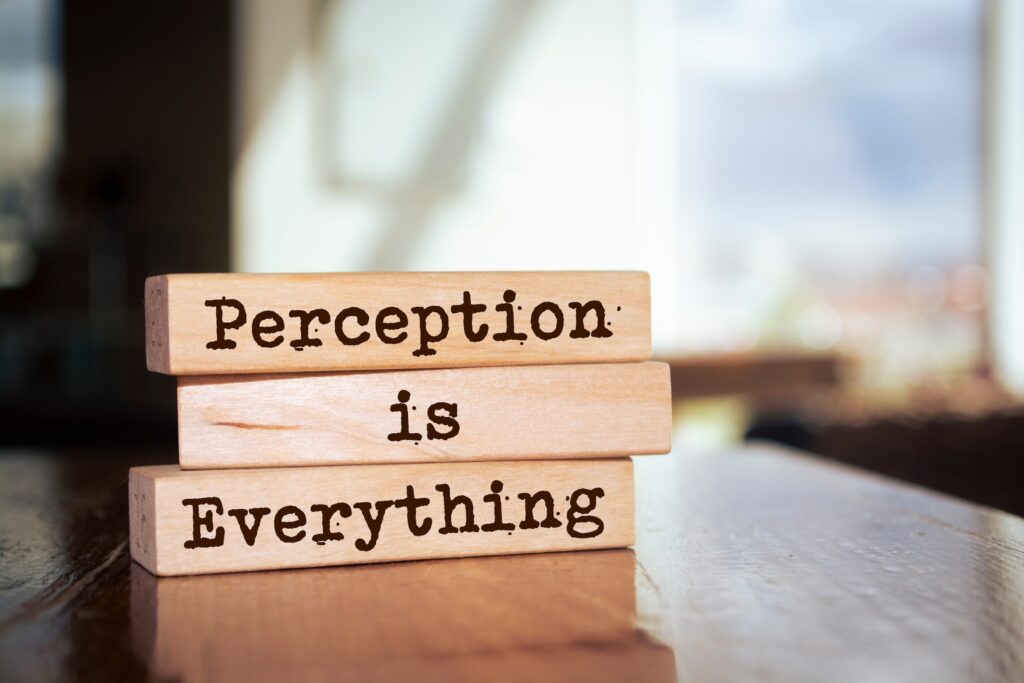
Blocks stacked with Perception is Everything from top to bottom. Faith vs Fear and Stress

Faith vs Fear and Stress: The Cost of Carrying It Alone

By Dr. D Ivan Young, MCC, NBC-HWC

You’re Not Broken—You’re Just Carrying Too Much

Faith vs Fear and Stress: The Cost of Carrying It Alone

Stress isn’t always the obvious raging fire demanding immediate attention. Sometimes, perhaps even more dangerously, it’s the hidden ember, silently burning away your inner reserves without you even noticing. This is the kind of stress that doesn’t roar into your life, but seeps in almost unnoticed. Isn’t it often this silent drip, this slow poisoning of your peace, that truly wears you down?

It doesn’t announce itself; it infiltrates. Do you recognize its insidious fingerprints?

Perhaps it’s that bone-deep exhaustion that shadows your eyes after yet another night spent wrestling with the dark ceiling instead of sleeping.
Maybe it’s the phantom echo of yesterday’s argument still ringing in your ears, stealing your focus and refusing peace.

Or could it be the relentless digital assault of an inbox that never truly yields, relentlessly feeding that brutal inner critic’s favorite lie: “Try harder. Push more. Still not enough.”
If this silent grind, this quiet but profound depletion, resonates somewhere deep in your soul… then welcome. You’ve just put your finger on the crushing weight at the very heart of Faith vs Fear and Stress: The Cost of Carrying It Alone.

Before you know it, this subtle pressure builds into something undeniable. You might feel it physically – that tightness gripping your chest, your energy completely vanishing halfway through the day. Or perhaps it’s the emotional toll – noticing your faith feeling fragile, increasingly overshadowed by persistent fear and anxiety. It’s utterly exhausting, isn’t it? This heavy, crushing weight is the profound cost of carrying it all alone.

Maybe you can relate. I certainly can. Trying to navigate immense challenges, like the overwhelming grief after my mother passed, felt impossible. My work faltered, my confidence vanished. Even with incredible support like my mentor, Elwyn Lee, just a phone call away, reaching out felt insurmountable. Pride stood in the way, absolutely. But so did the heavy cloak of depression, reinforcing the isolating cost of carrying it alone.

So, what do we often do? We construct a facade of strength. We armor ourselves with busyness, determined to just push through the stress. But beneath that carefully maintained exterior, we feel like we’re slowly coming apart. Battling fear in silence is an incredibly lonely place to be.

We’re constantly told: “Keep pushing. Be strong. Don’t give up.” But what if relentlessly ‘holding it all together’ is precisely what’s breaking you down? Recognizing that immense pressure, understanding that internal tug-of-war, is the vital first step. You don’t have to continue paying the devastating price inherent in Faith vs Fear and Stress: The Cost of Carrying It Alone.

The Hidden Cost of Silence

Unspoken stress isn’t harmless. In fact, it actively compounds. It clouds your thinking and hijacks your mood. Often, this intensifies the inner battle between faith and fear. Over time, constant pressure can even start to rewire your brain. This entire struggle highlights the core issue of Faith vs Fear and Stress: The Cost of Carrying It Alone.

Because of this internal shift, you might react impulsively instead of responding thoughtfully. You may find yourself withdrawing or isolating. Perhaps you even get sick more often as your body registers the strain. Consequently, accessing effective emotional regulation strategies becomes much harder.

Still, when someone asks how you are, the automatic “I’m fine” often surfaces. It feels like a lie, doesn’t it? That’s because it is a lie. That forced smile just becomes a mask.

When stress consistently stays unspoken, it subtly weaves into your very identity. Eventually, you might accept constant exhaustion as your normal state. You could start believing peace is only for others, or that rest is simply something earned, not needed.

But silence only delays healing. Instead, the path toward restoration frequently begins with honesty. Even if it’s just a quiet acknowledgment to yourself at first, this step is crucial. It can become the doorway to finding balance again, especially when navigating the difficult dynamic of faith and fear.

Coping or Numbing? Know the Difference

We all crave relief, don’t we? When life’s pressures mount, it’s human nature to look for something—anything—to take the edge off that feeling of overwhelm. Sometimes, thankfully, we reach for things that genuinely nourish us and build our resilience. But other times, perhaps more often than we’d like to admit, we grasp at simple distractions, unknowingly pulling ourselves further from truly dealing with the underlying stress.

Think about the practices that ground us: quiet prayer or meditation, finding stillness even for a moment, moving our bodies in ways that feel freeing, or allowing ourselves deep, restorative rest. These are the kinds of actions that tend to bring us back home to ourselves.

Then, of course, there are the other paths, the ones that seem easier in the moment. Maybe it’s drowning in work emails late into the night, getting lost in the endless scroll of social media, perhaps relying on that extra drink to numb out, or just actively avoiding the difficult conversations and feelings. These might offer temporary escape, but they often deepen our disconnect and can ultimately pave the road straight towards emotional burnout.

My Confession

Believe me, I understand that road intimately. Looking back on some of my hardest times, I fell deep into that avoidance trap. I desperately tried to outrun the pain. For me, that looked like burying myself under mountains of work, chasing fleeting highs that evaporated by morning, or pouring a drink to silence the anxious thoughts when the house got quiet. I was terrified of what I might actually feel in the stillness. So outwardly, I put on a brave face in meetings, always the first to say ‘yes’ to helping others, projecting an image of having it all together. Inside, however? I was crumbling, completely failing to show up for the one person who needed me most – myself. It was the harsh reality of paying the cost of carrying it alone.

Learning the hard way, though, showed me something incredibly important: the first, most vital step towards developing healthy emotional regulation strategies is simply awareness. It really begins with pausing, taking a breath, and finding the courage to ask: Okay, what am I really feeling right now, underneath all the noise? And what am I doing, honestly, to sidestep feeling it?

Because once you can gently and honestly name what’s happening inside, you start to reclaim your power from those old patterns. You’re no longer just reacting. This awareness isn’t merely insight; rather, it’s the solid foundation upon which you can build genuine, lasting stress and resilience.

A 3-Step Framework to Reclaim Your Power

So, how do you actually break free from that draining cycle of mental fog, persistent fear, and looming emotional burnout? I want to share a practical, 3-step framework that I’ve seen prove highly effective for individuals navigating high-pressure environments and demanding roles. This isn’t just abstract theory; rather, these are actionable emotional regulation strategies that genuinely work to help you reclaim your power and build lasting stress and resilience.

1. Anchor in Presence

First, let’s focus on cultivating “Presence.” Psychologists have found that mindfulness meditation changes our brain and biology in positive ways, improving mental and physical health. You see, stress inevitably pulls your mind into worrying about the future, while shame often drags you back into the past. But your peace, your centered calm? It exists only right now, in the present. So, how do you anchor there when chaos swirls? Start simply with your breath – focusing on slow, intentional inhales and exhales. Then, consciously bring your awareness fully into your body. Feel the solid ground beneath your feet, supporting you. Take a quiet moment to truly notice your immediate surroundings – perhaps mentally name five distinct things you can currently see. Crucially, this isn’t about spiritual bypassing or ignoring challenges; instead, it’s about practical grounding. Because when you deliberately return your focus to the ‘now,’ you effectively quiet the internal noise and begin strengthening your resilience.

2. Master Pattern Interruption

Next comes mastering Pattern Interruption. Chronic stress frequently traps us in difficult loops: a negative thought feeds an anxious emotion, which in turn triggers a reactive behavior, and subsequently, the cycle repeats, often operating just below our conscious awareness. Therefore, to break free, the key is to consciously interrupt that pattern when you notice it starting. In practice, this might involve physically stepping away from a triggering situation for just a moment. Perhaps doing a quick stretch to intentionally release body tension. Or maybe speaking a simple, grounding truth aloud, such as, ‘Right now, I am safe. I choose to pause.’ In my work, I guide individuals using a technique called momentary redirection. Essentially, this helps you recognize those spiraling thoughts of panic or defeat and deliberately pivot towards a small, intentional, self-affirming action instead. It’s truly an invaluable tool within your growing toolkit of emotional regulation strategies. I love what Dr. Caroline Leaf stated, “Toxic thoughts, depression, and anxiety–our mental mess is frequently aggravated by a chaotic world and sustained by an inability to manage our runaway thoughts. But we shouldn’t settle into this mental mess as if it’s just our new normal.” I totally agree with my peer. We deserve so much better from ourselves. 

3. Reconnect with Purpose

Finally, actively reconnect with your Purpose. When stress levels are exceptionally high, understandably, your deeper sense of purpose can feel obscured or less relevant amidst the urgency. However, it’s almost certainly still present, waiting to be rediscovered beneath the surface noise. It’s vital to distinguish that purpose usually isn’t a specific external goal or achievement; rather, think of it as your ‘why’ – your core values and guiding principles in life and work. It’s the inner compass that helps you navigate fear and maintain direction, especially when you feel worn down by relentless challenges. You might even consider it a form of practical faith in what truly guides you. As I explored in my blog post, ‘When Performance Isn’t Enough‘: ‘If your success is costing you your peace, you’re not winning—you’re slowly abandoning yourself.’ Ultimately, consciously reconnecting with and holding onto your purpose acts as a powerful stabilizing force for your nervous system. It reminds you who you are beneath the immediate stress and serves as a potent antidote to emotional burnout.

The Backpack – The Cost of Carrying It Alone

Imagine, for a moment, your life as a backpack. Initially, perhaps, you start out carrying only the essentials, what you truly need for the journey ahead. But then, little by little, you begin adding more weight.

Obligations start to pile in, along with the heavy expectations of others, and maybe even the ones you place on yourself. Soon enough, feelings of guilt find a corner, joined by mounting pressure, old unprocessed pain, and perhaps even the dense weight of lingering shame.

Inevitably, that backpack gets heavier and heavier over time.

At first, however, you might barely register the extra load. You see, you gradually get used to the constant strain, unconsciously adjusting your posture, shifting your shoulders just so, simply to keep moving forward. But make no mistake, this accumulated weight subtly affects everything: how you walk through your demanding days, how deeply (or shallowly) you rest at night, and fundamentally, it even begins to color how you perceive the world around you.

Eventually, perhaps quite suddenly one day, it dawns on you: you genuinely don’t remember what it feels like to move freely anymore, unencumbered by that constant, familiar burden.

And that, right there, is precisely what chronic, unaddressed stress does when left unchecked. Slowly but surely, it weaves itself into your life until it becomes the new normal – a default setting you may no longer even question. This normalization, this quiet acceptance of the ever-increasing burden, truly embodies the challenging dynamic of Faith vs Fear and Stress: The Cost of Carrying It Alone.

But crucially, you can choose to take that backpack off. Granted, it might not happen all at once, in one grand gesture. Perhaps relief starts smaller, maybe by intentionally removing just one item, one weighty burden, at a time. Importantly, though, the journey towards lasting relief truly begins the moment you finally give yourself permission to start unloading.

Emotional Regulation and Burnout

First off, it’s crucial to understand that burnout isn’t a sign of laziness or lack of willpower. Far from it. Instead, it’s often the natural result of constantly trying to give more when your internal resources—think of it as your personal energy ‘tank’—are already running on empty.

So, how do you begin to refuel that tank? That’s precisely where emotional regulation comes into play. Essentially, emotional regulation is the process of learning how to recharge yourself from the inside out. Importantly, this doesn’t mean trying to ignore, suppress, or power through your feelings. Rather, it involves developing the skills to first notice what you’re feeling without judgment, then name it accurately, and finally, navigate those emotions with conscious awareness and intention.

In my coaching practice, for instance, a key focus is helping clients build greater emotional literacy – basically, becoming more fluent and comfortable understanding their own inner emotional landscape. To facilitate this, we often use practical, accessible techniques. These might include guided body scans to connect with physical sensations tied to emotions, simple but powerful breathwork exercises to calm the nervous system, and sometimes, values realignment work to help them reconnect with their ‘inner compass’ or what truly matters most.

Therefore, this whole approach isn’t about somehow finding the will to just push even harder through the exhaustion. Quite the opposite, in fact. It’s about discovering the profound power and necessity of pausing with intention

Because ultimately, when you learn how to effectively regulate your emotions, you don’t just get better at managing daily stress. Instead, you actually start to transform how you show up—often feeling more present, building greater resilience, and engaging more authentically—in every area of your life.

We use body scans, breathwork, and values realignment to reconnect them with their inner compass.

This isn’t about pushing harder. It’s about pausing with intention.

When you learn how to regulate, you don’t just manage stress—you transform how you show up in life.

Rebuilding After the Breaking Point

True faith doesn’t mean you’ll somehow bypass struggle altogether. Instead, it reflects a core belief, a persistent knowing, that there’s something greater, something meaningful, waiting on the other side of the current difficulty. Similarly, fear isn’t always the destructive enemy we often perceive it to be. Sometimes, in fact, it can arrive as an unexpected invitation—perhaps a signal calling us to look deeper within or even to change our course.

Genuine rebuilding, the path toward stronger resilience and effective stress management, truly begins the moment you stop pretending everything is fine when it isn’t. It starts when you consciously release the exhausting narrative that strength means shouldering every burden completely alone—finally acknowledging the immense cost involved. Often, you’ll discover that grace, clarity, and breakthroughs show up more readily in moments of intentional stillness, rather than in relentless, forced striving.

Because your story absolutely doesn’t end here, in the middle of the challenge. Even when the core elements of Faith vs Fear and Stress: The Cost of Carrying It Alone all seem present and competing within you simultaneously, so too is your innate human ability to choose your next response. Crucially, so is your inherent power to begin again, right from this very moment.

Remember, you don’t need to overhaul your entire life today. Meaningful change, especially when coping with stress, often starts much smaller. Perhaps it simply begins with pausing long enough to ask yourself with gentle honesty: ‘What burden, belief, or expectation do I truly need to let go of right now?’

Ultimately, cultivating faith isn’t about achieving a mythical state of complete fearlessness. Rather, it’s about nurturing the courage required for moving forward even when fear is making its presence known, sometimes loudly.

So, just start where you are today. Gently allow yourself to feel what you genuinely feel, without layering on judgment. Take a conscious breath. Reconnect with yourself, perhaps using simple grounding techniques. And then, repeat that process. This practice itself, this commitment to showing up for yourself with awareness, is how you build lasting resilience and well-being.

Most importantly, please extend kindness and empathy towards yourself throughout this process. Self-compassion isn’t an indulgence; rather, it’s a fundamental necessity for healing, growth, and building true resilience. Remember also, you don’t have to navigate this complex journey entirely on your own. If you feel stuck, overwhelmed, or simply desire dedicated support in applying these principles, seeking guidance from a well-qualified coach—someone experienced in navigating these dynamics and, critically, whose approach aligns deeply with your own core values—can be an incredibly empowering and transformative step. You absolutely deserve support on your path, and you possess the capacity to move towards a life defined by greater peace, authentic purpose, and genuine freedom.

.

References:

  1. American Psychological Association (2019). “Mindfulness meditation: A research-proven way to reduce stress.” https://www.apa.org/topics/mindfulness/meditation

  2. Leaf, C. (2021). Cleaning Up Your Mental Mess: 5 Simple, Scientifically Proven Steps to Reduce Anxiety, Stress, and Toxic Thinking.

  3. Young, D. I. (2024). When Performance Isn’t Enough: Coaching Overachievers. https://drdivanyoung.com/when-performance-isnt-enough-coaching-overachievers/

Picture of Dr. D Ivan Young, MCC, NBC-HWC | ICF Registered Mentor Coach

About the Author

Dr. D. Ivan Young, MCC, NBC-HWC, is a globally respected thought leader in neuroscience, emotional intelligence, and behavioral coaching. He is a Master Certified Coach (MCC) with the International Coaching Federation, a National Board Certified Health and Wellness Coach (NBC-HWC), and a Professional Fellow at the Institute of Coaching, an affiliate of Harvard Medical School. Dr. Young is a three-time TEDx speaker with over 4.9 million views and a trusted advisor to leaders, entrepreneurs, and high-performing professionals around the world. His evidence-based coaching framework integrates neuroscience, somatic awareness, and emotional regulation strategies that create sustainable transformation. Learn more at drdivanyoung.com.


Where Spirituality, Coaching, and Positive Psychology Intersect

Human Head trapped in a maze. Where Spirituality, Coaching, and Positive Psychology Intersect
Where spirituality, coaching and Positive Psychology intersect.

The Sacred Science of Becoming:

Where Spirituality, Coaching, and Positive Psychology Intersect

by Dr. D Ivan Young, MCC, NBC-HWC

Are you thriving in public—but unraveling in private? 

You’re not alone. Behind the degrees, titles, and carefully curated success, countless professionals—especially coaches, clinicians, and high achievers—grapple with something much deeper. Indeed, something that’s hard to name but impossible to ignore.

Often, it isn’t just burnout, nor is it simply being overwhelmed. Instead, what if it’s something quieter? Just maybe it could be something sacred. Could it perhaps be a soul-level disconnection from who you truly are? Or, alternatively, maybe this is where spirituality, coaching and Positive Psychology intersect.

When Success Leaves You Spiritually Empty

You’ve worked hard, tried the therapy route, taken the necessary courses, and earned the respect of your peers. Yet, when the applause fades and the calendar clears, there’s a gnawing sense that something’s missing.

You’ve outgrown the version of yourself that got you here. But you’re unsure how to evolve without breaking everything you’ve built.  That feeling is not uncommon—it’s simply not often discussed.

In a world that glorifies constant output, the internal erosion of purpose, identity, and peace goes unnoticed… until it doesn’t.  And when it finally surfaces, it often looks like:

  • Emotional exhaustion masked as high-functioning professionalism

  • Constant mental chatter despite outward calm

  • Resentment toward the very responsibilities you once prayed for

  • Lastly, a haunting question: Is this all there is?

These are not mindset issues. They’re signs. Lets call them  sacred nudges calling you back into alignment.

The Pain We Don’t Post About

Let’s speak the truth.

Many coaches, therapists, and high-net-worth professionals are suffering in silence. We’ve been taught to perform healing, not embody it.

We know the frameworks. We use the language. But when it comes to our own inner truth, we often bypass it in the name of “being strong.”

But here’s the thing: strength without alignment is a liability. It keeps you productive—but not present. Successful—but not fulfilled. Put mildly, you know what you’re living is a lie. 

There’s an epidemic in our industries. And no, it’s not burnout.

It’s spiritual self-abandonment.

This Isn’t About Religion. It’s About Sacred Alignment.

Let’s clear something up. When I talk about spirituality, I’m not speaking of religion. Rather, I’m speaking of sacred self-awareness.

Essentially, spirituality, in coaching, is about reconnecting with the truth of who you are beneath the roles you play. Moreover, it’s the process of reclaiming the parts of yourself that got silenced by success and distorted by performance culture.

Spiritual alignment, therefore, is not a nice-to-have. Indeed, for many of us, it’s the only path forward. Fundamentally, this is where spirituality, coaching and Positive Psychology intersect.

Furthermore, this concept finds support in research. According to the “Department of Business Management, Central University of Technology, South Africa” (excerpt from “Workplace spirituality, work engagement and thriving at work” by Freda van der Walt), workplace spirituality is increasingly recognized as essential to leadership effectiveness, decision-making, and well-being—particularly in high-stress environments (Giacalone & Jurkiewicz, 2010).

Consequently, the most effective leaders, coaches, and clinicians today aren’t just intelligent, they’re integrated. In other words, they operate from a place of internal coherence. Ultimately, that’s what this work is about. Put mildly, you’re here for a reason that goes beyond your company and job title. You’re here for a divine purpose.

Positive Psychology Isn’t Just About Being Happy

Positive Psychology has revolutionized the way we understand human flourishing. It shifts the focus from dysfunction to strength, from illness to wellness.

But let’s be honest, left on its own, Positive Psychology can sometimes feel… incomplete.

Why? Because it often stops at behavior.

It asks: What can you do more of to feel better?

But if you’re spiritually disconnected, those practices can become more performance tools. Gratitude journals, affirmations, and vision boards become strategies—not soul work.

What’s missing is the why beneath the behavior. That’s where spirituality enters.

Where the Sacred Meets the Scientific

When we blend Positive Psychology with spiritually-rooted coaching, the results go deeper. We tap into what I call “the why.”

Instead of simply helping clients become more productive, we help them become more present.

Beyond making an attempt at “fixing” behaviors, we investigate the beliefs that drive them.

Rather than chase clarity, we cultivate are postitioned to guide our client’s toward congruence—a felt sense of alignment between the head, the heart, and the soul.

In my work, I’ve had the privilege of seeing this approach make a real difference in people’s lives – from high-stakes environments like boardrooms and hospitals, to public platforms like TEDx, and into those quiet, deeply personal moments of self-discovery. It’s, naturally, influenced how I approach becoming a better coach, too. But beyond that, I’ve embraced this in my own journey. I’m living proof “really,” of how looking at self-awareness from multiple angles can absolutely transform your life.

Here’s how we do it:

Core Practices That Drive Deep Transformation

1. Somatic Spiritual Awareness

You can’t think your way into peace. You have to feel your way into presence.

That’s why we start with the body.

Using breathwork, stillness, and body-based inquiry, we help clients locate their truth not just in their mind—but in their nervous system. Their body becomes the sacred space where trauma, insight, and intuition live.

As Psychology Today notes, integrating somatic awareness into spiritual work reduces anxiety, reconnects individuals with their inner compass, and fosters regulation (Dana, 2021).

When clients finally pause and ask, “What is my body trying to tell me?”—the answers are life-changing.

2. Strengths With Shadow Consciousness

Positive Psychology is famous for its strengths-based approach. But we can’t ignore the shadow side of those strengths.

  • Is your empathy driven by love—or a fear of rejection?
  • Is your leadership style empowering—or rooted in control?
  • Are you helping others to serve—or to stay needed?

Shadow work allows clients to examine the egoic distortions behind their strengths. It’s not about shame—it’s about clarity.

Competent coaches lovingly bring these blind spots into the light, not to diminish you—but to refine you.

This work creates leaders and healers who are emotionally intelligent, not just emotionally fluent.

3. Sacred Inquiry and Inner Stillness

Not all breakthroughs come from action. Some come from brave questions—and the silence that follows.

We guide clients through deep inquiry:

  • Who am I when I’m not performing?
  • What am I numbing with success?
  • Where am I sacrificing authenticity for admiration?

These questions can’t be answered in a rush. They unfold slowly—often painfully—but always powerfully.

They shift the entire foundation on which a client builds their next chapter.

Who This Work Is For

Let’s be real. Your clients can feel it when you’re aligned—and when you’re not.

That’s why doing your inner work is the greatest professional development you’ll ever invest in.

The research backs this up.

According to the International Journal of Wellbeing, integrating spiritual development into coaching leads to improved satisfaction, stronger relationships, and greater emotional regulation (van Dierendonck & Mohan, 2006).

But more importantly, it changes the way you love, lead, and live.

You Can’t Lead What You Haven’t Lived

If you’re a coach, clinician, or leader, and you’ve sensed a quiet misalignment growing beneath your success—you’re not broken. You’re awakening.

This work is for:

  • Coaches feeling emotionally depleted from holding space for others
  • Healthcare providers navigating compassion fatigue and spiritual stagnation
  • Executives who’ve hit their goals but lost their sense of purpose
  • High Net Worth professionals who appear successful but feel spiritually bankrupt

The answer isn’t another strategy. It’s about the radical shift into soul-level stillness.

The path forward isn’t learning more. It’s remembering the essence of who you truly are.

This Is Not Woo-Woo—It’s Wisdom

Our culture celebrates hustle, results, and performance. But the truth is—none of that matters if it comes at the cost of your peace.

And no, you don’t have to choose between success and spirituality. You can have both.

You can be grounded and grand. Soft and strong. Still and successful.

The new model of leadership isn’t built on dominance—it’s built on depth.

And that depth begins with you.

Final Thoughts: This Is Sacred Work

This moment may be your invitation to stop striving and start surrendering.

This a good time to finally ask yourself the questions you’ve been too busy—or too afraid—to answer.

Who are you becoming?
What have you been avoiding?
What would it look like to live from truth—not just tools?

At the intersection of spirituality, coaching, and Positive Psychology lies the sacred science of becoming.

You’re not here to just do more. You’re here to become more of who you truly are.

And that’s not a marketing pitch. That’s a soul calling.

References

  1. Giacalone, R.A., & Jurkiewicz, C.L. (2010). The Science of Workplace Spirituality. Harvard Business Review.
  2. Dana, D. (2021). Polyvagal Theory in Therapy: Engaging the Rhythm of Regulation. Psychology Today.
  3. van Dierendonck, D., & Mohan, K. (2006). Some thoughts on spirituality and eudaimonic well-being. International Journal of Wellbeing.

.

Dr. D Ivan Young, MCC, NBC-HWC

Dr. D. Ivan Young, MCC, brings a wealth of expertise in Behavioral Neuroscience and relationships to his work. A globally recognized figure, he has shared his knowledge as a three-time TEDx speaker (with over 4.9 million views) and through numerous high-level coaching certifications. These include ICF Master Certified Coach (MCC), National Board Certified Health and Wellness Coach, and Certified Professional Diversity Coach. Holding a Ph.D. in Holistic Life Coaching and certification as a Master MBTI Practitioner, Dr. Young is also a member of the Forbes Coaches Council and a distinguished Professional Fellow at the Institute of Coaching McLean (affiliated with Harvard Medical School).

When High Performance Becomes Self-Abandonment

Doctor Frustrated with hand on temple. When High Performance Becomes Self-Abandonment

When High Performance Becomes Self-Abandonment

Are you succeeding on paper but falling apart in private?

By Dr. D Ivan Young, MCC, NBC-HWC

Let’s be honest.

You have the title and the paycheck. Your calendar is always full, and your inbox is overflowing with praise, responsibilities, and unread messages. From the outside, it seems like you’ve “made it.” However, behind the polished LinkedIn posts and impressive milestones, something still feels off. Think about it.

You’re always tired.
But not just physically.
Emotionally. Spiritually. Mentally. You’re burned out. 

This is the time when High Performance becomes Self-Abandonment.

If you lie awake at 2 a.m. wondering how the person everyone depends on feels so taxed, stessed out and alone… this is for you. By the way, the person I’m talking about is you,

The Unspoken Crisis Among High Performers

A quiet epidemic unfolds in leadership circles. And no, it’s not just burnout—though that’s part of it. It’s self-abandonment.

Self-abandonment happens when you prioritize being competent, admired, and successful over being honest with yourself. It looks like showing up strong for everyone but yourself. It sounds like:

  • “I can’t let anyone down.”
  • “I’ll rest after this project.”
  • “They need me more than I need a break.”

Sound familiar?

Whether you’re a licensed health care or legal professional, entrepreneur, a C-suite executive, or professional coach, the pattern often begins with good intentions. But over time, performing at a high level becomes the only identity you recognize. Somewhere along the way, your needs—your truth—get left behind.

From Overachieving to Overextending

Picture this: you serve as the medical director of a large clinic. You work 60+ hours a week, mentor three junior providers, navigate tight regulations, and manage a high volume patients while working an extra job on the side.

Meanwhile, at home, you deal with a strained marriage. Your partner resents how absent you’ve become. Finances feel tighter despite your salary. Your child acts out at school—and you can’t remember the last time you had a real conversation that wasn’t about your lack of presence or some “problem.”

So you push harder on all fronts.
You smile wider.
You show up.
And in doing so… the more you disappear from yourself.

While this example plays out in countless households, it often remains unspoken. After all, what who wants to admit they feel unseen and like a failure in their own life?

High Performance or Hidden Pain?

Here’s the truth: not all high performance is healthy.
Sometimes, it’s a trauma response. A coping mechanism. An attempt to earn worth in a world that only seems to reward results.

Dr. Gabor Maté, a world-renowned expert on trauma and healing, puts it this way:

“The more people are lauded for being strong and dependable, the less they’re allowed to be human.”
(The Myth of Normal, Maté, 2022)

Therefore, it’s critical to ask not just how you perform, but why. This goes beyond mental health—it reaches into leadership integrity. Because what good is your influence if it comes at the expense of your wholeness?

Why Leaders Abandon Themselves

So why do high achievers neglect themselves?

  • Survival Programming – Many leaders grow up believing achievement equals love or safety.
  • Fear of Vulnerability – If you break, who picks up the pieces?
  • Imposter Syndrome – Even the most qualified professionals quietly question their worth.
  • Cultural Expectations – In healthcare, leadership, and coaching, “helping others” often means neglecting self.

This self-neglect shows up in subtle ways. Initially, it looks like skipping lunch to finish a project. Eventually, it becomes a lifestyle where your humanity remains perpetually deferred. Still, here’s what often gets missed:
Congruence matters more than competence.

When who you are aligns with how you lead, the game changes. And when leadership flows from authenticity rather than performance, it builds trust, loyalty, and resilience—in you and in others.

A New Model of Leadership: Emotional Congruence

Emotional congruence means leading from your truth—not your title.

It’s not weakness—it’s wisdom. Leaders who lead with congruence say:

  • “I’m overwhelmed.”
  • “I need help.”
  • “I matter too.”

According to a recent Harvard Business Review article:

“Self-aware leaders foster trust—and trust fosters performance.”
(Harvard Business Review, “Why Leaders Should Be Open About Their Flaws,” Jan 2023)

In fact, emotionally intelligent leaders see a measurable uptick in team morale, engagement, and innovation.
They don’t just manage teams—they inspire them. Moreover, vulnerability isn’t just about being honest when things get hard. It also creates space for others to do the same. When you model congruence, others feel permission to stop performing and start connecting.

The Neuroscience of Self-Abandonment

Chronic stress and self-neglect don’t just affect your mood—they rewire your brain.

According to the Journal of General Internal Medicine, prolonged exposure to high stress leads to cognitive impairments in memory, emotional regulation, and executive function.
Burnout becomes more than a buzzword—it becomes a neurological reality. (PMC Journal)

What’s more, a Psychology Today report emphasizes that leaders under chronic strain become more prone to emotional dysregulation, impulsive decision-making, and lowered resilience. Over time, this erodes not just personal health but also leadership credibility.
(Source: Psychology Today, “How Chronic Stress Changes the Brain,” 2023)

Prioritizing yourself isn’t a luxury anymore; it’s a necessity. Your cognitive function, your connections with others, and your leadership presence are all built upon this foundation. Through my coaching practice, I’ve had a close-up view of the painful impact of self-abandonment. Conversely, I’ve been privileged to witness the incredible power of self-compassion to heal and reshape lives from the inside out.

How to Reclaim Yourself (Without Burning It All Down)

This isn’t about quitting your role or walking away from your calling. Instead, it’s about learning to lead without losing yourself.

1. Notice Your Patterns

Start with awareness. Ask: What do I believe I must sacrifice to be successful? If the answer is your peace, your health, or your relationships—start there.

2. Name Your Needs

Get clear about what’s missing. Do you need time, connection, rest, respect? Naming it gives you power.

3. Rebuild Boundaries

Boundaries don’t form barriers. They build bridges to a healthier version of you. Whether it’s limiting after-hours emails or blocking time for therapy, boundaries restore your agency.

4. Ask for Help

Whether it’s a coach, therapist, spiritual advisor, or trusted peer—you no longer need to carry the world alone. Support becomes strength.

5. Redefine Success

True success sustains you. It brings joy. It aligns with your values—not just your resume.

It may also mean learning how to say, “Enough.” Enough striving. Enough hiding. Enough sacrificing yourself for the sake of appearances.

Final Thoughts: Lead From Wholeness

After facing cancer and staggering financial loss, while still caught in the habit of putting others first, I finally grasped a vital lesson. Embracing vulnerability doesn’t diminish you; it reconnects you with your deepest, truest self. 

Recognize the incredible strength already within you. You’re much stronger than you think. You didn’t come this far to live disconnected. 

Life is more than producing and pleasing – yes you have the capacity to lead. Yet, powerful leadership flows from self-connection. Instead fo keeping your chin up, dhoose to lead from purpose, moving beyond mere metrics. For it is only when high performance aligns with your core humanity and your core values that true, meaningful impact unfolds. And don’t forget, it’s okay to seek help. Nothing great can be accomplished without it.

Picture of Dr. D Ivan Young, MCC, NBC-HWC | ICF Registered Mentor Coach

Dr. D. Ivan Young, MCC, is an internationally recognized ICF Master Certified Coach and a National Board Certified Health and Wellness Coach. He is also a Professional Fellow at the Institute of Coaching, an affiliate of Harvard Medical School. Dr. Young is a three-time TEDx speaker, a bestselling author, and an expert in behavioral neuroscience. With over two decades of experience, he specializes in transformational leadership, emotional intelligence, and optimizing relationships for high-achieving individuals and elite organizations.

When Performance Isn’t Enough – Coaching Overachievers 

When Performance Isn’t Enough – Coaching Overachievers Toward Fulfillment. Man in suit with brief case climbing ladder.

When Performance Isn’t Enough – Coaching Overachievers

Coaching Overachievers Toward Fulfillment

By Dr. D Ivan Young, MCC, NBC-HWC

Everything appears ideal. You’ve checked all the boxes—education, credentials, income goals, successful leadership, and public recognition. From the outside, you’re the picture of success. But inwardly, a sense of restlessness lingers. If you’re an entrepreneur, licensed professional, healthcare provider, or executive, that quiet question—“Is this all there is?”—might sound all too familiar. There’s nothing more challenging than coaching overachievers toward fulfillment, especially when performance isn’t enough

You’re operating at full capacity—constantly delivering, managing, creating, and leading. Yet, in the in-between moments, perhaps after the meetings or in the silence between texts and deadlines, you might wonder if the life you’ve worked so hard to build is actually fulfilling you.

Importantly, this isn’t about being ungrateful. Rather, it’s about being ready. Furthermore, what you’re experiencing may not be burnout or boredom—instead, it may be an inner call to evolve. This aligns with research from the International Coaching Federation and the American Psychological Association, which indicates more professionals are waking up to the reality that fulfillment no longer comes from performance alone. Ultimately, it comes from congruence—that is, when your work, your values, and your sense of identity are fully aligned.

When High Achievement Isn’t the Whole Story

But at a certain point, those wins stop feeling like enough. The applause dies down. The title doesn’t energize you like it used to. The metrics become just numbers. And the success that once drove you starts to feel like a story you’re no longer connected to.

The 2022 APA Workplace Well-Being Survey backs this up. Professionals in high-pressure, high-output roles—especially those in leadership, caregiving, and entrepreneurial fields—often report emotional fatigue, role confusion, and a growing sense of disconnection. What looks like success from the outside can feel like stagnation from the inside.

Inasmuch, this is a powerful moment, though it may not feel like it. What you’re feeling isn’t failure. It’s a signal. Perhaps, this is a cue from your deeper self that it’s time to redefine success—not just in terms of what you do, but in terms of how it makes you feel.

Coaching Overachievers: More Than Strategy, It’s a Return to Self

The truth is, overachievers don’t need more information. You’ve built your life on figuring things out. What you may not have built is space—for pause, for self-inquiry, for clarity.

Transformational coaching offers something rare: a pause button in a world that rewards constant acceleration. And this pause isn’t passive. It’s where the real work begins.

Furthermore, in a 2021 report by the Harvard Business Review, coaching models centered on self-awareness and internal development were found to be significantly more effective in supporting long-term change compared to conventional directive approaches. Ultimately, the most powerful transformation doesn’t come from being told what to do—it comes from being invited to hear your own voice more clearly.

In the coaching process, high performers:

Imagine a leadership coach who helped a physician-turned-founder shift from obsessing over perfect patient outcomes to focusing on team culture and creative problem-solving. Once that shift happened, her joy returned—and so did her effectiveness.

This isn’t therapy. It’s not consulting. It’s a focused, facilitated conversation that helps you return to your truth—so you can lead from a place of congruence and integrity.

Self-Compassion: The Hidden Superpower

Many high performers pride themselves on being tough. Typically, you push through and you persevere. However, this kind of toughness without tenderness is often a fast track to depletion.

In contrast, self-compassion is not weakness—rather, it’s the emotional resilience that actually sustains long-term impact. Indeed, Dr. Kristin Neff’s research confirms that individuals who develop self-compassion are consequently more productive, more resilient, and far less prone to burnout. Moreover, they also lead with more presence and authenticity.

In coaching practice, we see this play out all the time. Specifically, when overachievers learn to offer themselves grace, their creativity often improves. Additionally, their relationships deepen, and their decision-making sharpens. Ultimately, this is because instead of operating from self-judgment or over-functioning, they begin to lead from centered clarity.

Coaching practices often include simple but profound tools to cultivate this mindset:

  • Body-centered mindfulness to recognize stress signals

  • Reframing inner dialogue to reduce self-criticism

  • Values work to identify what actually matters now

When self-compassion becomes a leadership skill, everything shifts.

Coaching Isn’t Just for Crisis—It’s for Conscious Evolution

There’s a myth that coaching is only for people who are stuck or struggling. In reality, the most empowered professionals seek coaching not because they’re lost, but because they’re ready to evolve, as exemplified by the focus on ‘When Performance Isn’t Enough – Coaching Overachievers’.

Whether you’re scaling a business, preparing for a major life transition, managing a team, or launching a new venture—coaching offers a space where strategy and self-awareness meet. It helps you:

  • Make clear decisions when the stakes are high

  • Navigate personal and professional transitions with dignity

  • Rebuild trust in your inner compass

  • Bring your full, authentic self into every room you enter

This is where coaching becomes a bridge—from who you’ve been to who you’re ready to become.

The Weight of the Backpack

Think of your professional journey like carrying a backpack. Early in your career, you eagerly fill it with tools—degrees, certifications, strategies, roles, relationships, expectations. Over time, it gets heavy. But because you’re strong and capable, you keep carrying it. You adjust. You push forward.

Eventually, you start to feel weighed down. Not because the items inside are wrong—but because they’re no longer aligned with who you are now.

Coaching isn’t about emptying the backpack completely. It’s about stopping long enough to take everything out, examine what still serves you, and repack only what you truly need for the road ahead.

Why This Moment Matters More Than Ever

We’re in a cultural moment where hustle is losing its appeal. People want depth. They want lives and careers that feel as good as they look. And they want support that doesn’t just offer advice—but offers presence, reflection, and tools that create sustainable transformation.

For high performers—especially entrepreneurs, licensed professionals, executives, and healthcare leaders—coaching is no longer optional. It’s essential. It’s the place where ambition meets purpose, and performance finally aligns with peace.

If you’re still doing all the right things, but something feels off… If you’re longing for more but unsure what that “more” even looks like… If you’re ready to grow, not just as a professional, but as a whole person—

Then you’re not behind. You’re right on time.

References:

  • Neff, K. (2011). Self-Compassion: The Proven Power of Being Kind to Yourself. HarperCollins.

  • Harvard Business Review. (2021). Why Leadership Development Isn’t Developing Leaders.

  • American Psychological Association. (2022). Workplace Well-Being Survey: Occupational Stress and Mental Health in Health Care Settings.

Dr. D Ivan Young, MCC, NBC-HWC

Dr. D Ivan Young, MCC, NBC-HWC, is an ICF Master Certified Coach and Board Certified Health and Wellness Coach. He integrates behavioral neuroscience, executive presence, and emotional intelligence to support high-impact professionals as they navigate growth, reinvention, and legacy-building. With decades of experience coaching entrepreneurs, licensed professionals, public figures, and health leaders, Dr. Young helps clients align performance with purpose—and step fully into the next version of themselves.